
Endocrinology
Comprehensive care for men’s sexual and urinary health
ENDOCRINOLOGY
Expert care for balanced hormones and better health
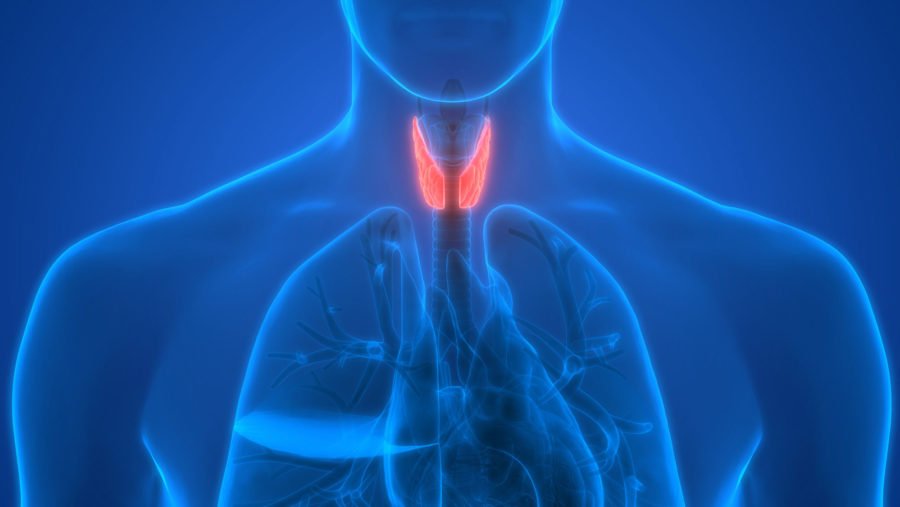
Endocrinology focuses on the diagnosis and treatment of disorders related to hormones and endocrine glands. These glands regulate vital body functions including metabolism, growth, reproduction, and mood. Conditions such as thyroid disorders, diabetes, and hormonal imbalances can significantly impact overall health. With advanced diagnostic tools and personalized treatment plans, endocrinology aims to restore hormonal balance and prevent complications. Early detection, regular monitoring, and lifestyle management play a crucial role in maintaining long-term health and improving quality of life.
Comprehensive Endocrinology & Hormonal Health Care
Comprehensive endocrinology care managing thyroid dysfunction, Hashimoto’s thyroiditis, hormonal imbalance, and diabetes mellitus, focusing on diagnosis, treatment, and restoring hormonal balance effectively.
THYROID DYSFUNCTION
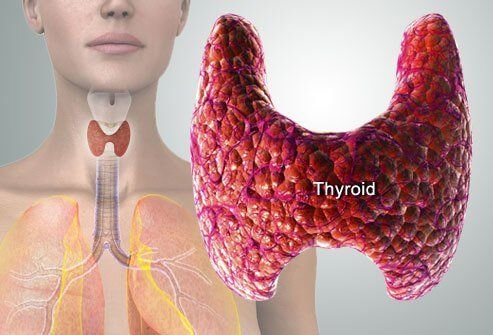
Thyroid dysfunction refers to an imbalance in the functioning of the thyroid gland, leading to either overproduction or underproduction of thyroid hormones. These hormones play a vital role in regulating metabolism, energy levels, and overall body functions.
HASHIMOTO’S THYROIDITIS
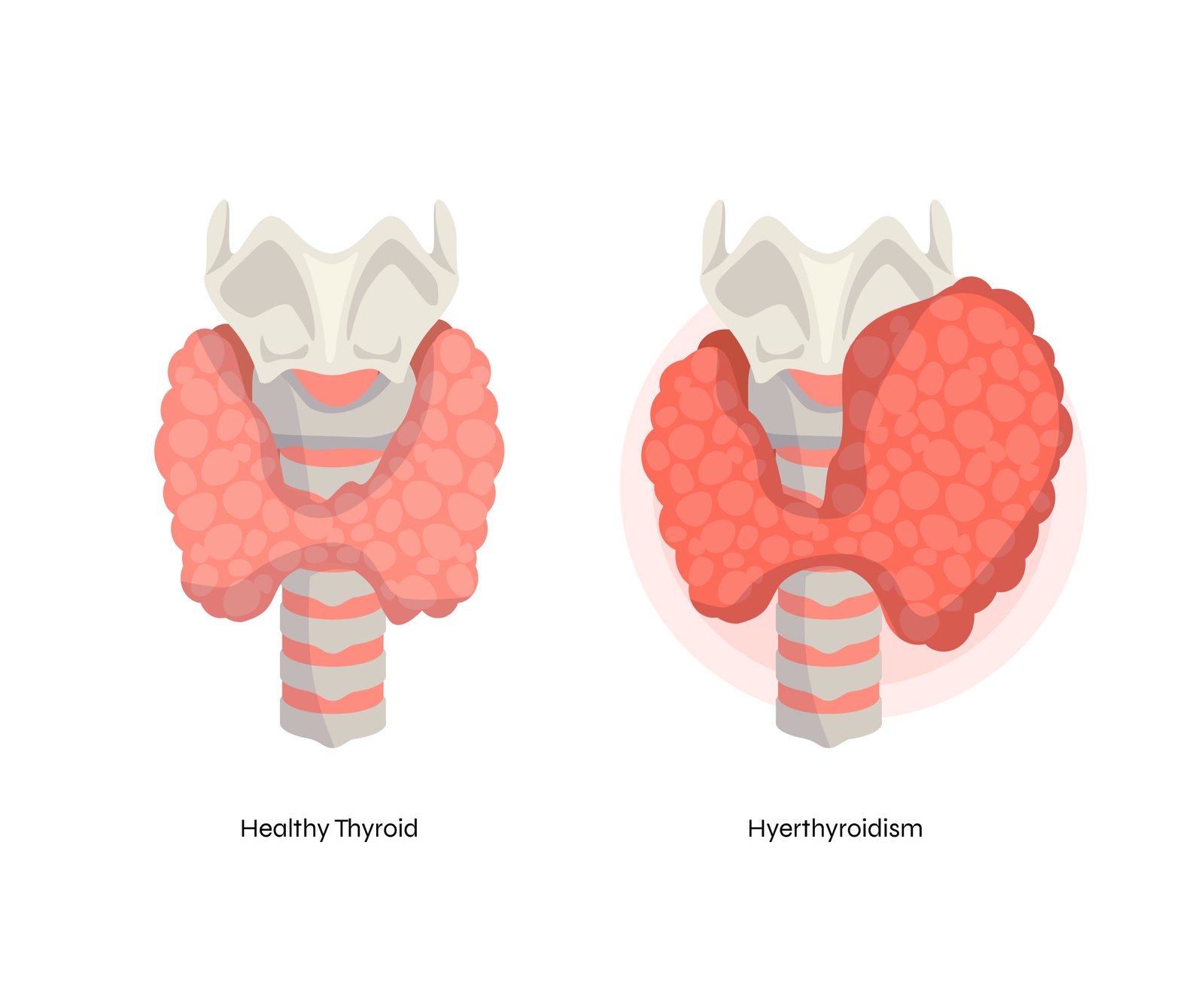
Hashimoto’s Thyroiditis is an autoimmune condition in which the body’s immune system mistakenly attacks the thyroid gland, leading to chronic inflammation and gradual decline in thyroid function. It is one of the most common causes of hypothyroidism.
DIABETES MELLITUS
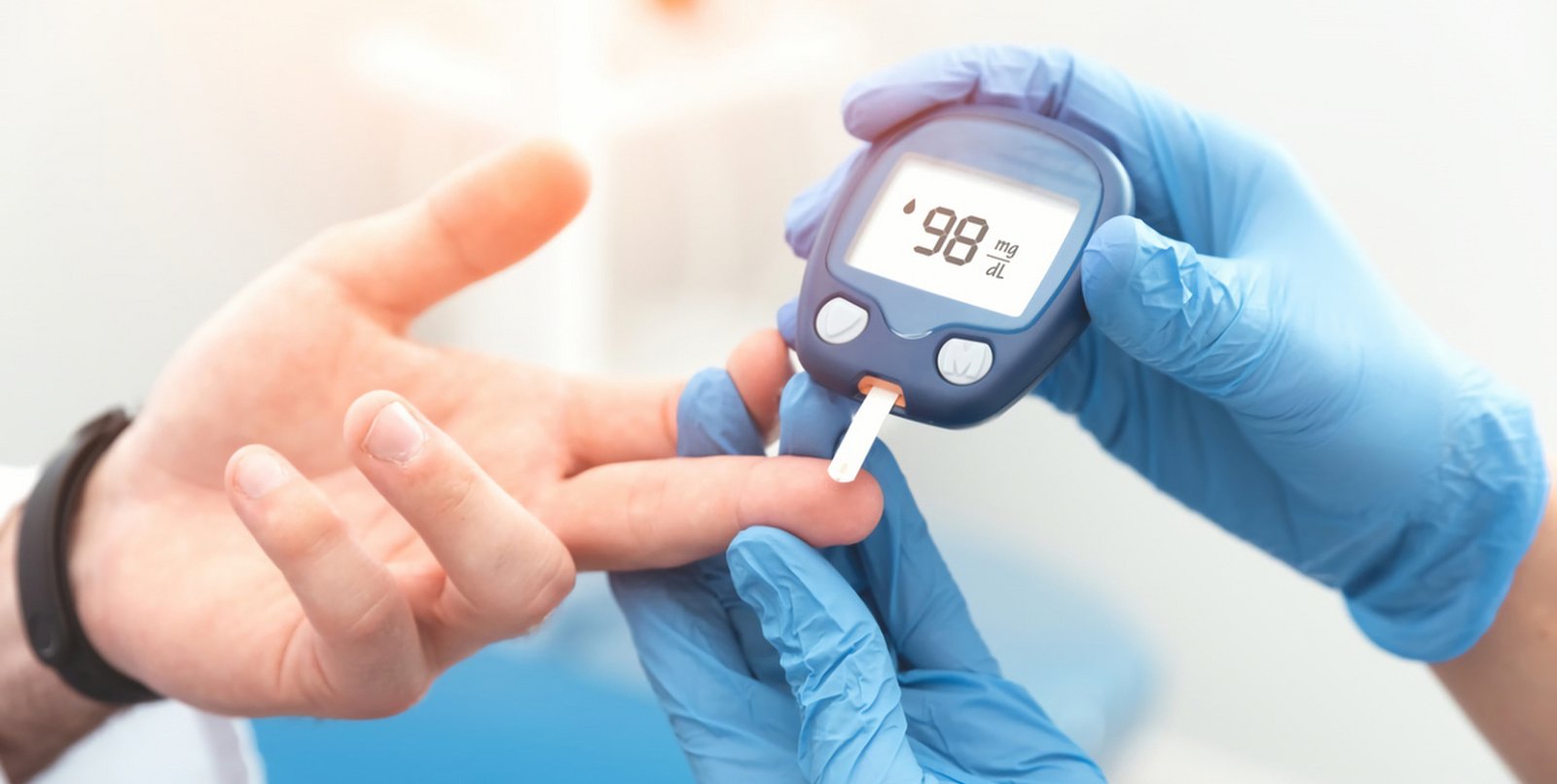
Diabetes Mellitus (DM) is a chronic metabolic disorder characterized by high blood glucose levels due to defects in insulin secretion, insulin action, or both.In Ayurveda, it is correlated with Madhumeha, a type of Prameha, involving imbalance of Kapha, Pitta, and Vata doshas.
THYROID DYSFUNCTION
Thyroid dysfunction refers to an imbalance in the functioning of the thyroid gland, leading to either overproduction or underproduction of thyroid hormones. These hormones play a vital role in regulating metabolism, energy levels, and overall body functions.
Symptoms:
Hypothyroidism:
- Fatigue and sluggishness
- Weight gain
- Cold intolerance
- Hair fall and dry skin
- Constipation
- Depression or low mood
Hyperthyroidism:
- Unexplained weight loss
- Increased appetite
- Anxiety and irritability
- Palpitations
- Excess sweating
- Disturbed sleep
In Ayurveda, thyroid dysfunction is not described as a single disease but is understood as an imbalance of Doshas, particularly Vata and Kapha, along with disturbance in Agni (metabolism) and Dhatu (tissue) function.Ayurveda aims to correct the root cause and restore balance through a holistic approach.Panchakarma therapies for detoxification and balance doshas,lifestyle modifications.
HASHIMOTO’S THYROIDITIS
Hashimoto’s Thyroiditis is an autoimmune condition in which the body’s immune system mistakenly attacks the thyroid gland, leading to chronic inflammation and gradual decline in thyroid function. It is one of the most common causes of hypothyroidism.
Symptoms
- Persistent fatigue
- Weight gain
- Cold intolerance
- Hair fall and dry skin
- Constipation
- Depression or low mood
- Puffy face or swelling in the neck (goiter)
- Irregular menstrual cycles in women
In Ayurveda it can be understood as Dosha imbalance along with impaired agni (digestive fire) and accumulation of ama(toxins).The autoimmune nature reflects a disturbance in body immunity and tissue metabolism Ayurveda focuses on addressing the root cause, improving metabolism, and modulating immunity by Ama Pachana (Detoxification): Removing toxins to improve metabolic function by panchakarma therapies like virechana and Basti . Agni Deepana Enhancing digestion and metabolism
DIABETES MELLITUS
Diabetes Mellitus (DM) is a chronic metabolic disorder characterized by high blood glucose levels due to defects in insulin secretion, insulin action, or both.In Ayurveda, it is correlated with Madhumeha, a type of Prameha, involving imbalance of Kapha, Pitta, and Vata doshas.
Symptoms:
- Frequent urination
- Excessive thirst
- Increased hunger
- Fatigue
- Blurred vision
- Slow wound healing
Ayurveda considers diabetes as a systemic disorder affecting multiple tissues.The Ayurvedic approach focuses on treating the root cause rather than just controlling blood sugar levels. Management includes Shodhana (detoxification therapies) such as Vamana, Virechana, and Basti to eliminate aggravated doshas, followed by Shamana (oral medications). A strict emphasis is placed on Pathya-Apathya (diet and lifestyle modification), encouraging intake of high-fiber, low-glycemic foods like millets and bitter vegetables, along with regular physical activity and yoga to enhance metabolism. This holistic approach not only helps in maintaining optimal blood sugar levels but also prevents complications and improves overall quality of life