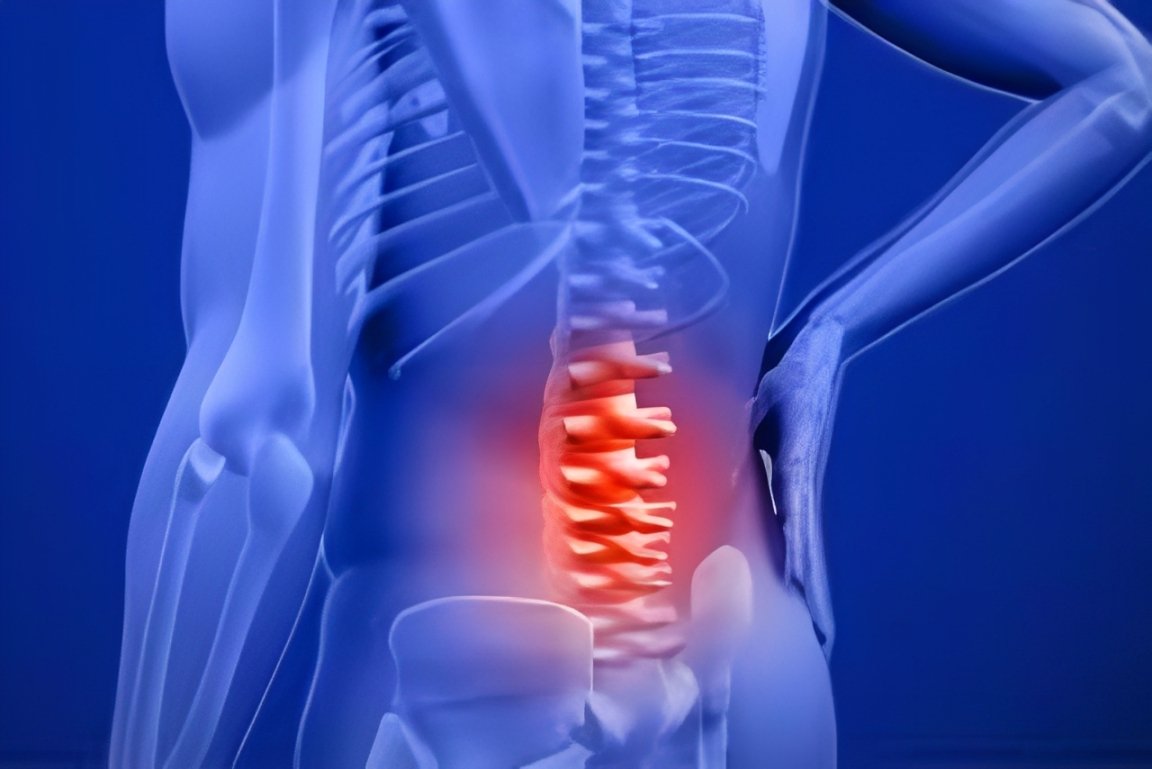

Spine care focuses on the diagnosis, treatment, and prevention of conditions affecting the spinal column, including discs, nerves, and supporting muscles. Common issues such as disc bulge, herniation, spondylosis, and inflammatory disorders can cause pain, stiffness, and reduced mobility. With a combination of advanced diagnostics, physiotherapy, medications, and minimally invasive procedures, spine care aims to relieve pain, restore function, and improve posture. Early intervention, regular exercise, and proper ergonomics are essential to maintain spinal health and enhance overall quality of life.
Expert care for spine conditions including disc bulge, prolapse, herniation, spondylosis, and spondylitis, focusing on pain relief, mobility, and long-term spinal health.
Disc bulge causes mild disc displacement leading to pain or discomfort, managed through physiotherapy, posture correction, medications, and preventive lifestyle changes.
Disc prolapse occurs when disc material pushes outward, causing nerve pressure, pain, and discomfort, treated with therapy, medications, and proper spinal care.
Disc herniation involves rupture of disc material pressing nerves, causing severe pain, numbness, managed through medication, physiotherapy, and sometimes surgical intervention.
Spondylosis is spinal wear and tear causing stiffness and pain, managed with physiotherapy, medications, posture correction, and regular exercise routines.
Spondylitis is inflammatory spinal condition causing pain and stiffness, treated with medications, physical therapy, and lifestyle changes to maintain flexibility.
A disc bulge occurs when the spinal disc extends beyond its normal boundary without rupturing. It commonly results from aging, poor posture, or repetitive strain. While it may not always cause symptoms, it can lead to back pain or nerve compression if untreated. Management includes physical therapy, posture correction, pain relief medications, and lifestyle changes. Early diagnosis and non-surgical treatments help prevent progression, reduce discomfort, and support better spinal function and mobility.
Disc prolapse refers to a condition where the inner part of a spinal disc pushes outward, affecting nearby nerves. It often causes sharp pain, numbness, or weakness, especially in the lower back or neck. This condition can result from injury, heavy lifting, or degeneration. Treatment focuses on reducing inflammation, relieving nerve pressure, and improving strength through medications, physiotherapy, and guided exercises. Early care helps prevent worsening symptoms and promotes recovery without the need for surgery.
Disc herniation occurs when the inner gel-like material of a spinal disc leaks out through a tear, pressing on surrounding nerves. This leads to severe pain, tingling, numbness, or weakness in the arms or legs. It is commonly caused by aging, strain, or sudden injury. Treatment options include medications, physiotherapy, spinal injections, and in some cases, surgery. Timely diagnosis and appropriate care help relieve pain, restore nerve function, and improve overall quality of life.
Spondylosis is a degenerative condition affecting the spine due to aging, leading to disc degeneration and bone changes. It commonly affects the neck and lower back, causing stiffness, pain, and reduced flexibility. In some cases, it may compress nerves, resulting in radiating pain or numbness. Treatment includes pain management, physiotherapy, posture correction, and lifestyle modifications. Regular exercise and proper ergonomics play a key role in managing symptoms and maintaining spinal strength.
Spondylitis is an inflammatory condition that primarily affects the spine, leading to pain, stiffness, and reduced mobility. It may worsen over time and can cause fusion of spinal bones if untreated. Early symptoms often include morning stiffness and chronic back pain. Management focuses on reducing inflammation through medications, physical therapy, and lifestyle changes. Regular exercise and monitoring are essential to maintain flexibility, prevent progression, and improve overall quality of life.