CARDIOVASCULAR
Protecting your heart and improving circulation for a healthier, longer life
CARDIOVASCULAR
Advanced care for a healthy heart and vascular system
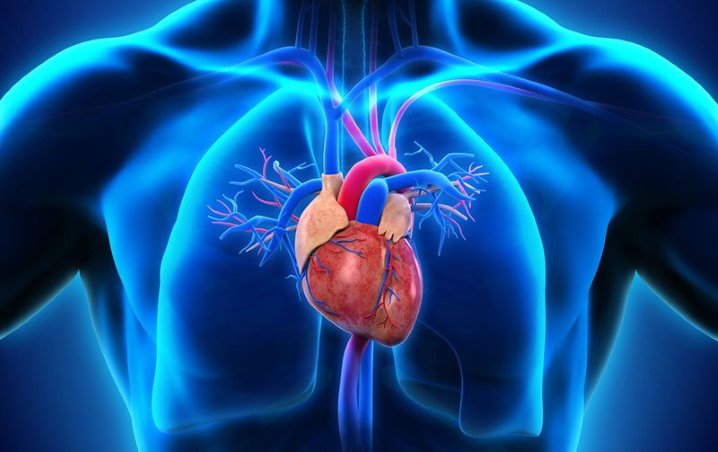
Cardiovascular care focuses on the prevention, diagnosis, and treatment of diseases affecting the heart and blood vessels. Conditions such as hypertension, vascular disorders, and circulation issues can significantly impact overall health. Risk factors include lifestyle habits, genetics, and underlying medical conditions. With advanced diagnostics, medications, lifestyle guidance, and preventive care, cardiovascular management aims to improve heart function, regulate blood flow, and reduce complications. Early detection and consistent care are essential for maintaining a healthy heart and ensuring long-term wellbeing.
Comprehensive Cardiovascular & Vascular Care
Comprehensive endocrinology care managing thyroid dysfunction, Hashimoto’s thyroiditis, hormonal imbalance, and diabetes mellitus, focusing on diagnosis, treatment, and restoring hormonal balance effectively.
HYPERTENSION
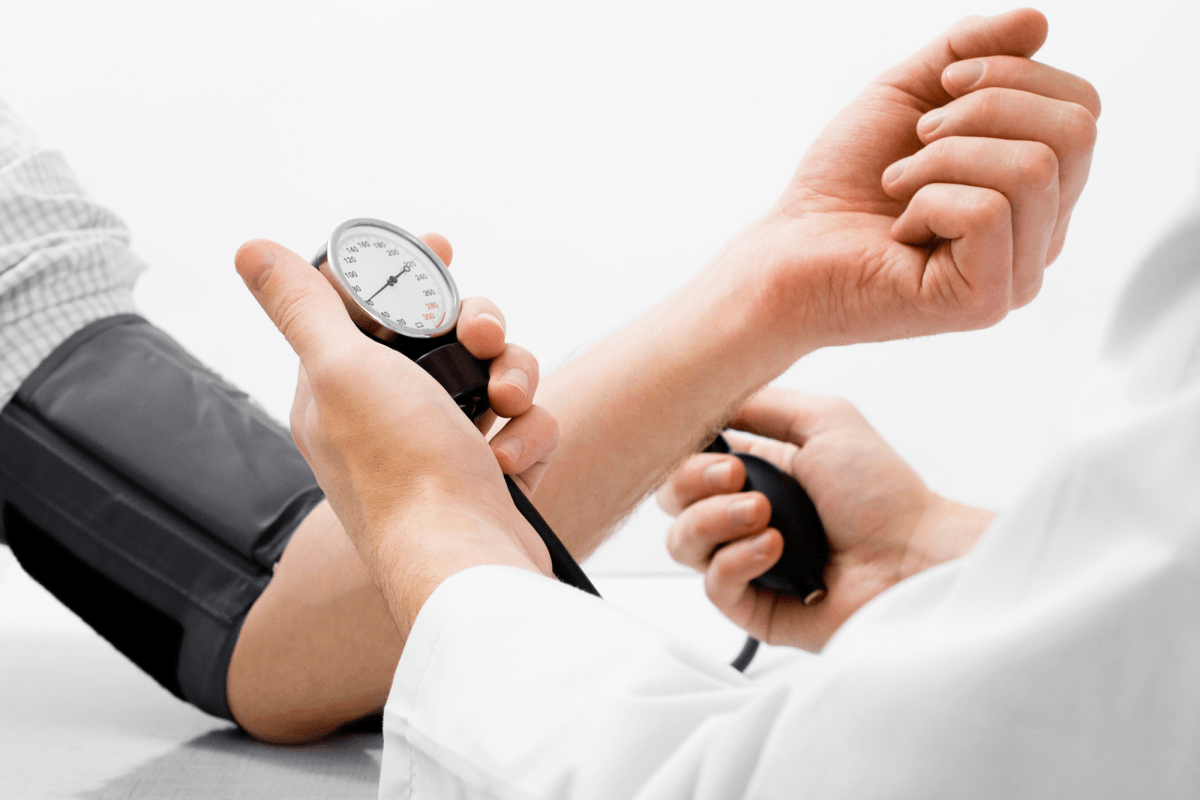
Hypertension is a chronic condition in which the force of blood against the arterial walls is consistently elevated, increasing the risk of heart disease, stroke, and kidney disorders.
VARICOSE VEIN
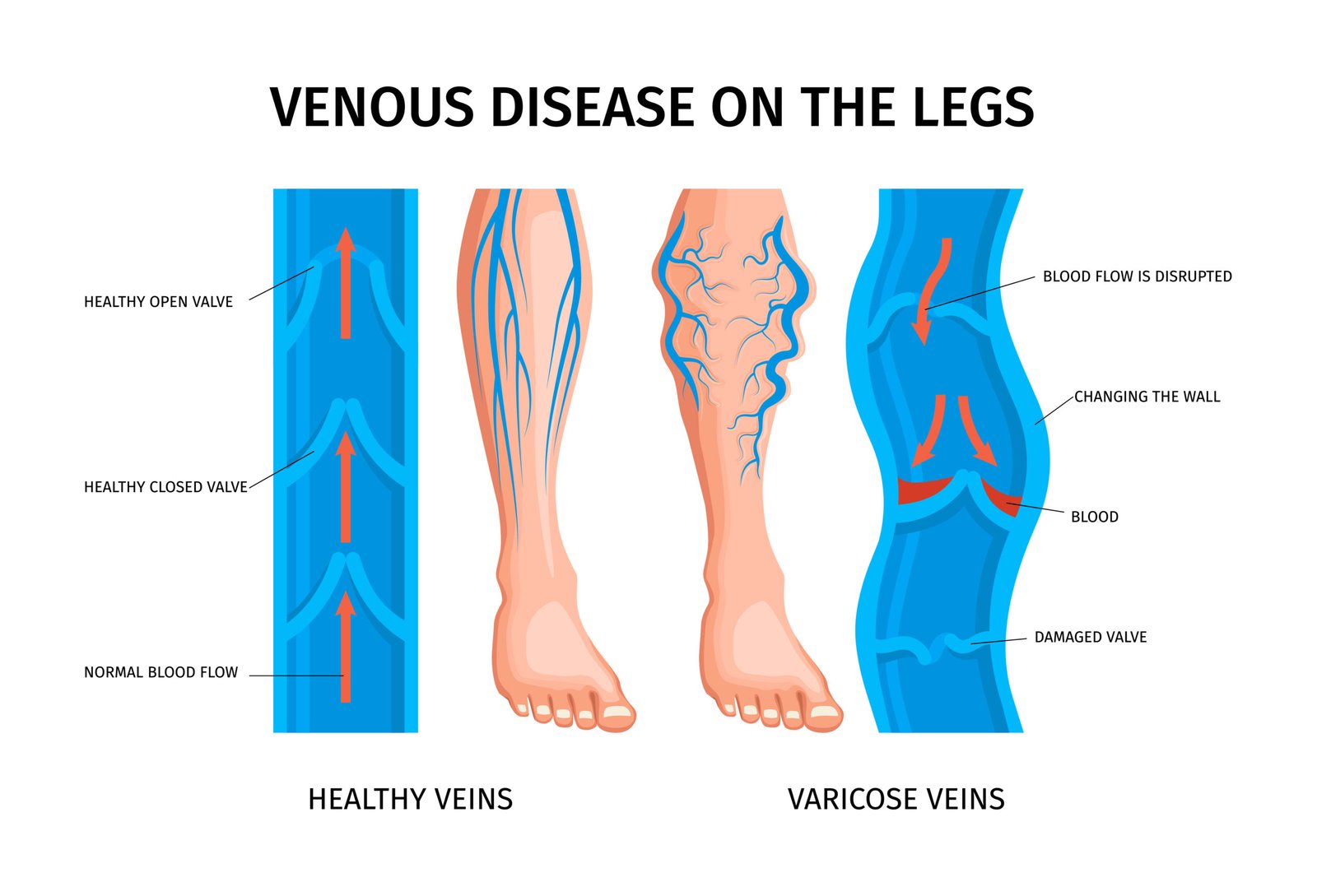
Varicose veins are enlarged and twisted veins that usually develop in the legs. They can cause pain, itching, bleeding, and other complications.due to improper blood circulation and valve dysfunction. occur when blood pools in the veins instead of flowing efficiently back to the heart.
DYSLIPIDEMIA / CHOLESTEROL
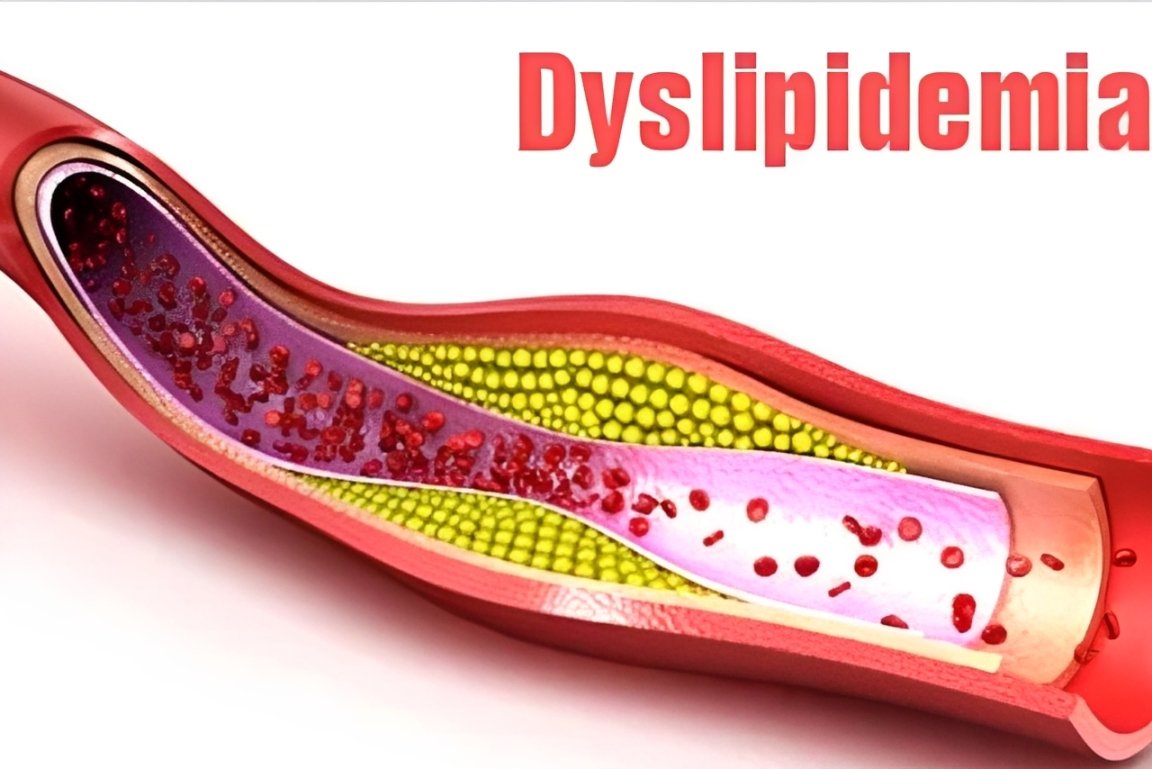
Dyslipidemia is a condition characterized by abnormal levels of lipids (fats) in the blood, including ,Increased cholesterol,High LDL (bad cholesterol),High triglycerides,Low HDL (good cholesterol).
NON HEALING ULCERS
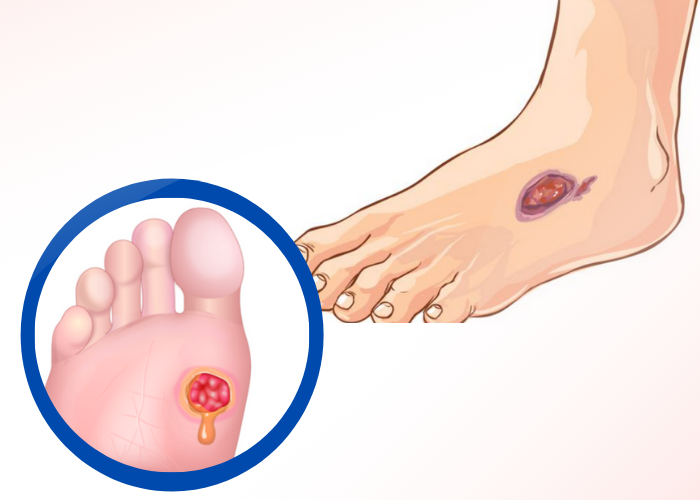
Non-healing ulcers are chronic wounds that fail to heal within a normal time frame (usually >4–6 weeks). They may persist due to poor circulation, infection, diabetes, or repeated trauma, leading to delayed tissue repair.
TAO (THROMBOANGIITIS OBLITERANS)
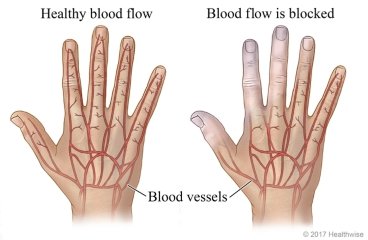
Thromboangiitis Obliterans (TAO), also known as Buerger’s disease, is a chronic inflammatory condition affecting small and medium-sized blood vessels, mainly in the limbs. It leads to reduced blood flow, causing pain, ulcers, and in severe cases, gangrene. It is strongly associated with smoking and tobacco use.
RAYNAUD’S DISEASE
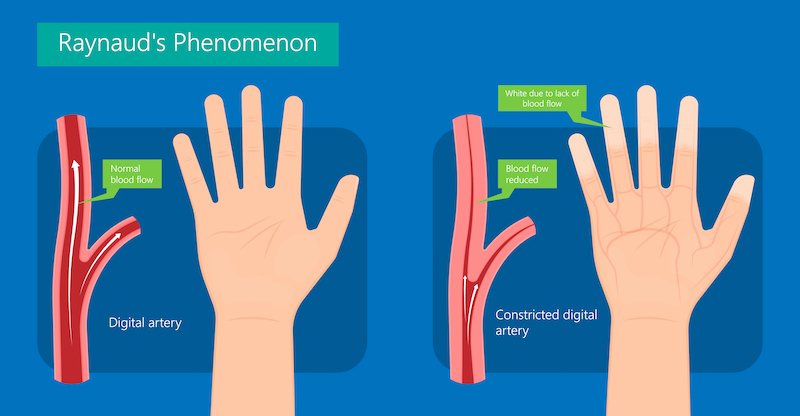
Raynaud’s disease is a condition characterized by episodic vasospasm (narrowing of small blood vessels) in response to cold exposure or emotional stress, leading to reduced blood flow, typically affecting the fingers and toes.
BUERGER'S DISEASE
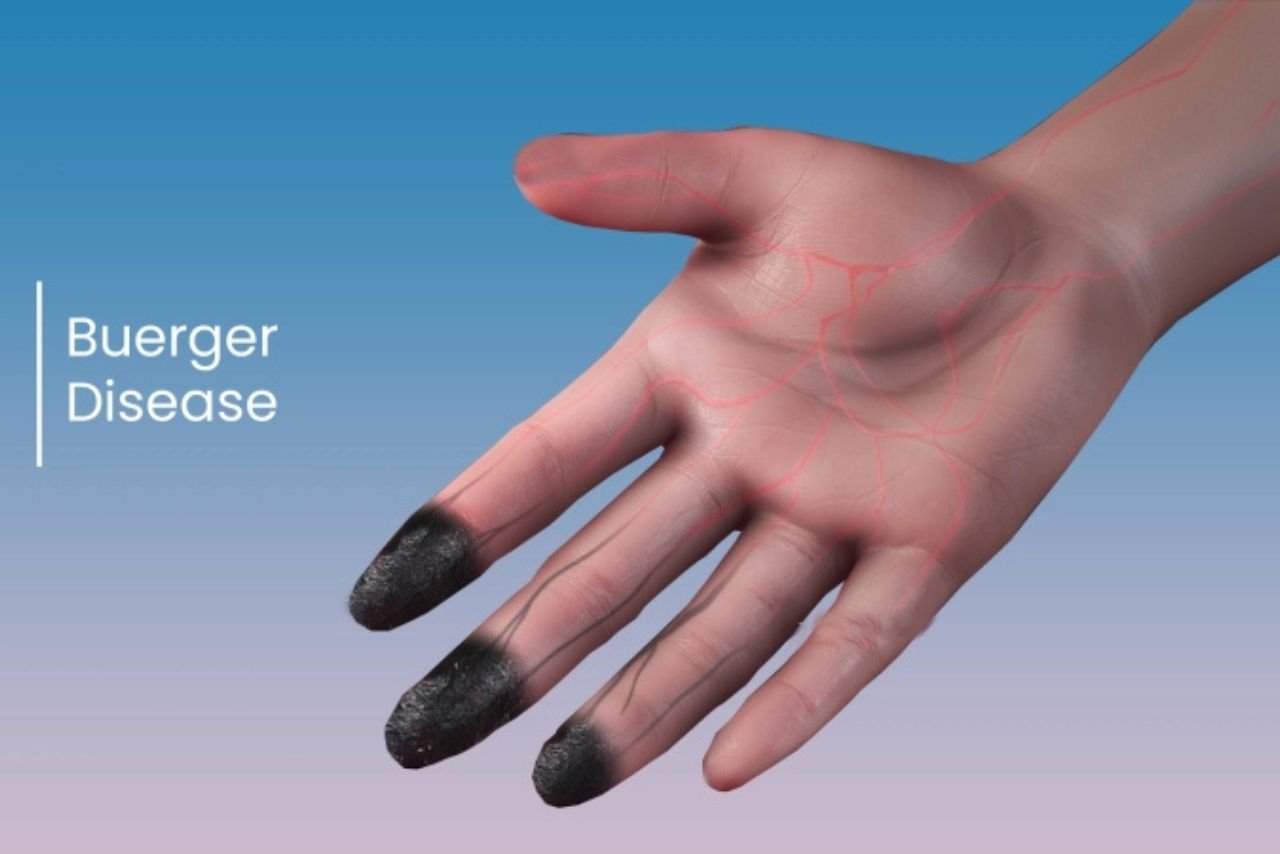
Buerger’s disease is a chronic inflammatory condition of small and medium-sized blood vessels, mainly affecting the hands and feet primarily associated with Tobacco use . It is characterized by recurring inflammation which restricts blood flow to the extremities.
HYPERTENSION
Hypertension is a chronic condition in which the force of blood against the arterial walls is consistently elevated, increasing the risk of heart disease, stroke, and kidney disorders.
Symptoms:
- Headache
- Dizziness
- Palpitations
- Fatigue
- Irritability
- Sleep disturbances
The Ayurvedic approach focuses on calming the nervous system, improving circulation, and correcting the underlying dosha imbalance. Treatment includes Shodhana therapies like Virechana and Basti to detoxify the body and regulate physiological functions, followed by Shamana help control blood pressure, strengthen the heart, and reduce stress. Equal importance is given to diet and lifestyle modifications, including a low-salt, fresh, and balanced diet, regular physical activity, yoga, and stress management practices like meditation and pranayama.
VARICOSE VEIN
Varicose veins are enlarged and twisted veins that usually develop in the legs. They can cause pain, itching, bleeding, and other complications.due to improper blood circulation and valve dysfunction. occur when blood pools in the veins instead of flowing efficiently back to the heart.
Symptoms:
- Visible bluish or bulging veins
- Leg pain and heaviness
- Swelling (especially after standing long)
- Burning or throbbing sensation
- Itching around veins
- Cramps, especially at night
In Ayurveda, varicose veins can be correlated with Siragata Vata, where aggravated Vata dosha affects the veins (Sira), leading to impaired circulation, dryness, and dilation of vessels.The Ayurvedic approach focuses on improving vascular tone, enhancing circulation, and correcting the underlying dosha imbalance. Treatment includes Shodhana therapies like Basti (medicated enema) to regulate Vata and, in selected cases, Raktamokshana to relieve venous congestion.External therapies like Abhyanga (oil massage) and herbal applications help strengthen veins and relieve discomfort. Along with this, lifestyle modifications such as regular exercise, leg elevation, avoiding prolonged standing, and a light, balanced diet play a crucial role.
DYSLIPIDEMIA / CHOLESTEROL
Dyslipidemia is a condition characterized by abnormal levels of lipids (fats) in the blood, including ,Increased cholesterol,High LDL (bad cholesterol),High triglycerides,Low HDL (good cholesterol).
Symptoms:
- Often asymptomatic
- May be associated with:
- Obesity
- Fatigue
- Chest discomfort
In Ayurveda, dyslipidemia is correlated with Medoroga, a condition arising from the imbalance of Kapha dosha, impaired Agni (digestive fire), and excessive accumulation of Meda dhatu (fat tissue). The Ayurvedic approach focuses on correcting metabolism, reducing excess fat, and restoring dosha balance. Treatment begins with Shodhana (detoxification therapies) such as Virechana and Udvartana to eliminate accumulated toxins and reduce lipid levels,
NON HEALING ULCERS
Non-healing ulcers are chronic wounds that fail to heal within a normal time frame (usually >4–6 weeks). They may persist due to poor circulation, infection, diabetes, or repeated trauma, leading to delayed tissue repair.
Symptoms:
- Persistent open wound
- Pain or burning sensation
- Discharge (pus or fluid)
- Foul smell
- Swelling and discoloration around the wound
- Delayed or no healing
In Ayurveda, non-healing ulcers are described as Dushta Vrana, a chronic wound condition resulting from the vitiation of Vata, Pitta, and Kapha doshas, affecting the proper healing of tissues. The Ayurvedic approach focuses on both local wound management and systemic correction.Treatment begins with Vrana Shodhana (cleansing) using herbal decoctions to remove infection, slough, and toxins, followed by Vrana Ropana (healing therapies) using medicated oils like Jatyadi Taila and natural agents such as honey to promote tissue regeneration.
TAO (THROMBOANGIITIS OBLITERANS)
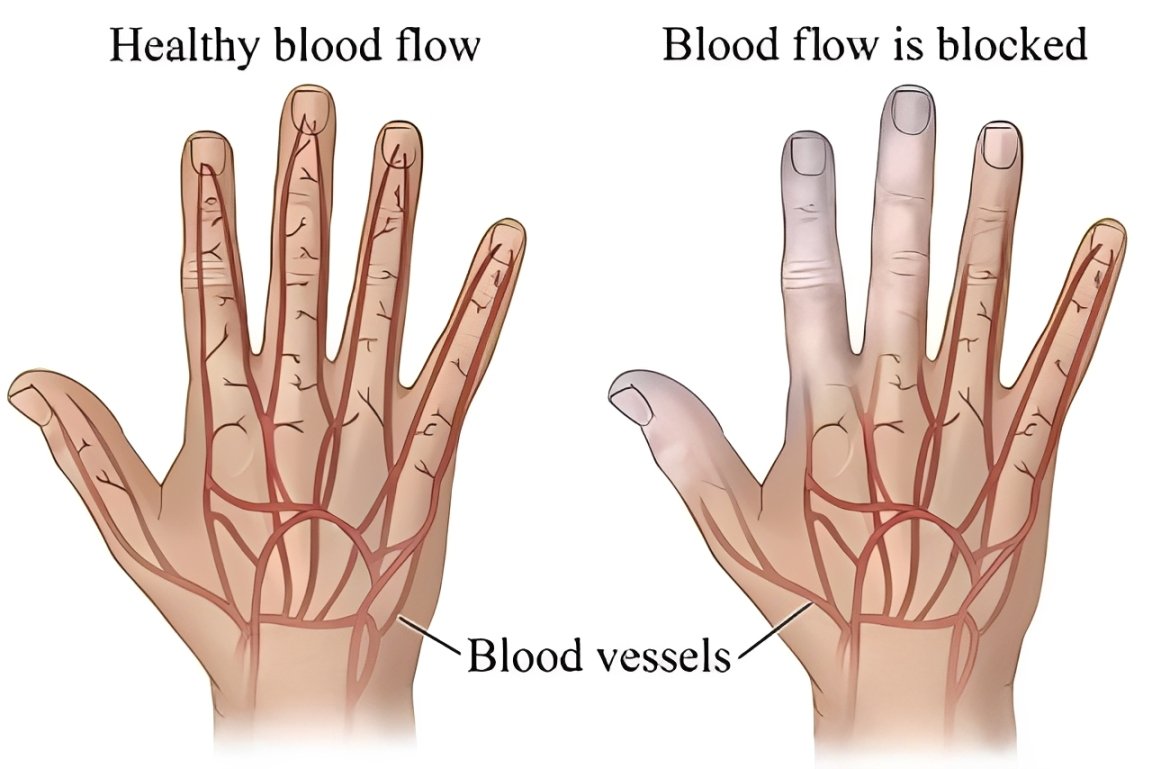
Thromboangiitis Obliterans (TAO), also known as Buerger’s disease, is a chronic inflammatory condition affecting small and medium-sized blood vessels, mainly in the limbs. It leads to reduced blood flow, causing pain, ulcers, and in severe cases, gangrene. It is strongly associated with smoking and tobacco use.
Symptoms:
- Pain in legs or hands (especially during walking – claudication)
- Coldness and numbness in extremities
- Color changes (pale, bluish, or reddish skin)
- Non-healing ulcers on fingers or toes
- Weak or absent pulses
In Ayurveda, Thromboangiitis Obliterans is managed by addressing the underlying imbalance of Vata and Rakta along with clearing vascular obstruction and improving circulation.The treatment focuses on shodhana therapies like basti to regulate Vata and Raktamokshana in selected cases to purify blood and relieve vascular congestion.
RAYNAUD’S DISEASE
Raynaud’s disease is a condition characterized by episodic vasospasm (narrowing of small blood vessels) in response to cold exposure or emotional stress, leading to reduced blood flow, typically affecting the fingers and toes.
Symptoms:
- Color changes in digits:White (ischemia)Blue (deoxygenation)Red (reperfusion)
- Numbness or tingling
- Cold sensation in affected areas
It can be effectively managed in Ayurveda by addressing the underlying Vata imbalance and improving peripheral circulation. The treatment focuses on Snehana (oleation) and Swedana (sudation therapies) to relieve vasospasm and enhance blood flow.
BUERGER'S DISEASE
Buerger’s disease is a chronic inflammatory condition of small and medium-sized blood vessels, mainly affecting the hands and feet primarily associated with Tobacco use . It is characterized by recurring inflammation which restricts blood flow to the extremities.
Symptoms:
- Pain in legs/arms (especially during walking – claudication)
- Burning pain in hands and feet
- Cold sensitivity
- Skin color changes (pale, bluish, or reddish)
- Non-healing ulcers on fingers or toes
Management focuses primarily on Nidana Parivarjana, with strict avoidance of tobacco being essential. Treatment aims at Rakta Shodhana (blood purification) and Vata shamana to restore proper circulation and reduce inflammation. Panchakarma therapies such as Raktamokshana (bloodletting), Basti (medicated enema), along with Abhyanga and Swedana, are employed to improve vascular health and relieve pain.