INFERTILITY
Natural Ayurvedic care to support fertility health
INfertility
Natural Ayurvedic Care For Fertility Wellness
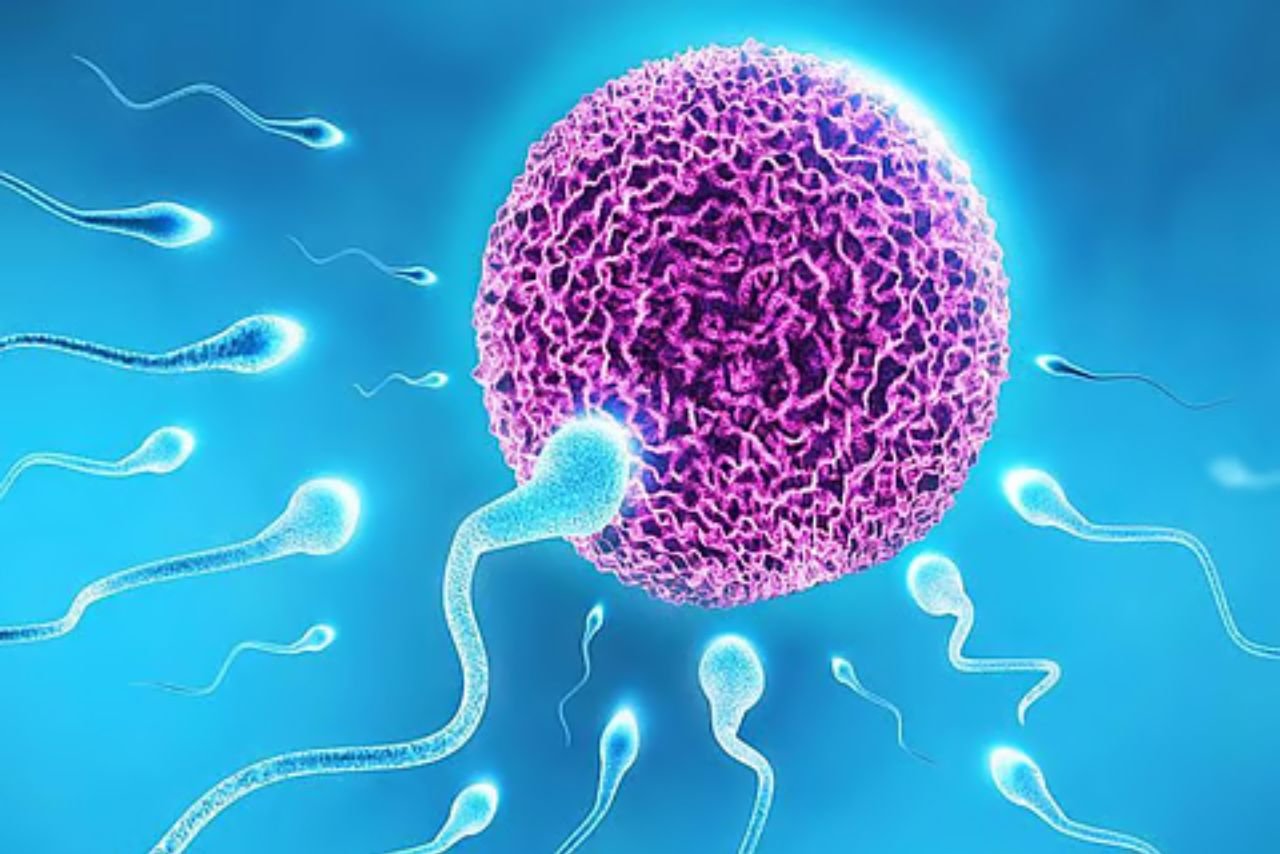
Our Ayurvedic infertility treatments focus on addressing the root causes in both men and women through a holistic and natural approach. By balancing doshas, improving reproductive health, and enhancing vitality, we support natural conception. Treatments include herbal medications, detoxification therapies like Panchakarma, and specialized rejuvenation techniques such as Vajeekarana. We manage conditions like low sperm count, hormonal imbalance, PCOS, and tubal blockages with personalized care. Along with therapies, we emphasize proper diet, lifestyle changes, and stress management to improve overall reproductive health and increase the chances of healthy conception.
Enhance Fertility Naturally With Holistic Ayurvedic Healing
Support reproductive health naturally with Ayurvedic treatments that balance hormones, improve vitality, and address infertility causes safely and effectively.
AZOOSPERMIA
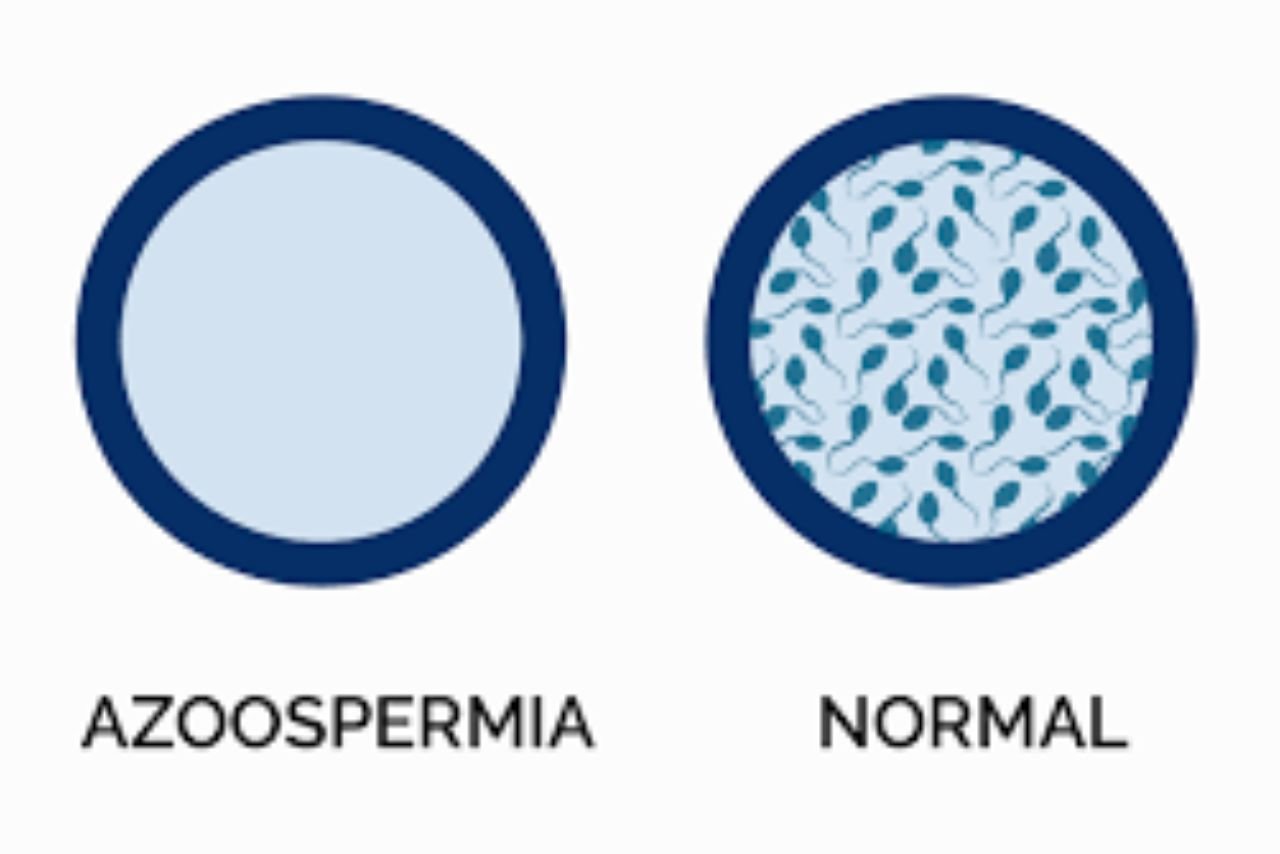
Azoospermia is absence of sperm in semen causing infertility. Ayurveda improves sperm production through rejuvenation therapies, detoxification, and strengthening Shukra Dhatu naturally and effectively.
Asthenozo ospermia
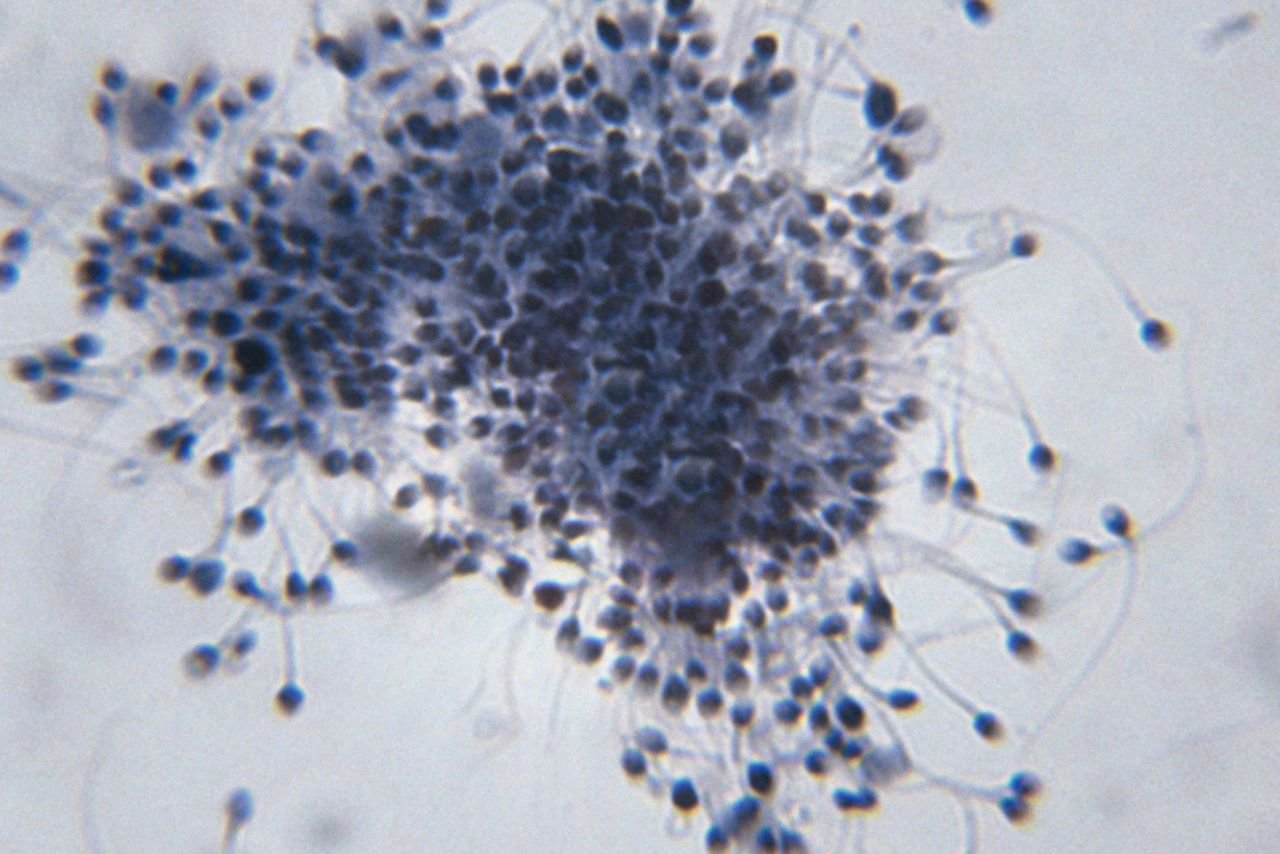
Asthenozoospermia involves reduced sperm motility affecting fertilization. Ayurveda enhances sperm quality, improves movement, and strengthens reproductive health through Vajeekarana and lifestyle corrections.
Teratozo ospermia
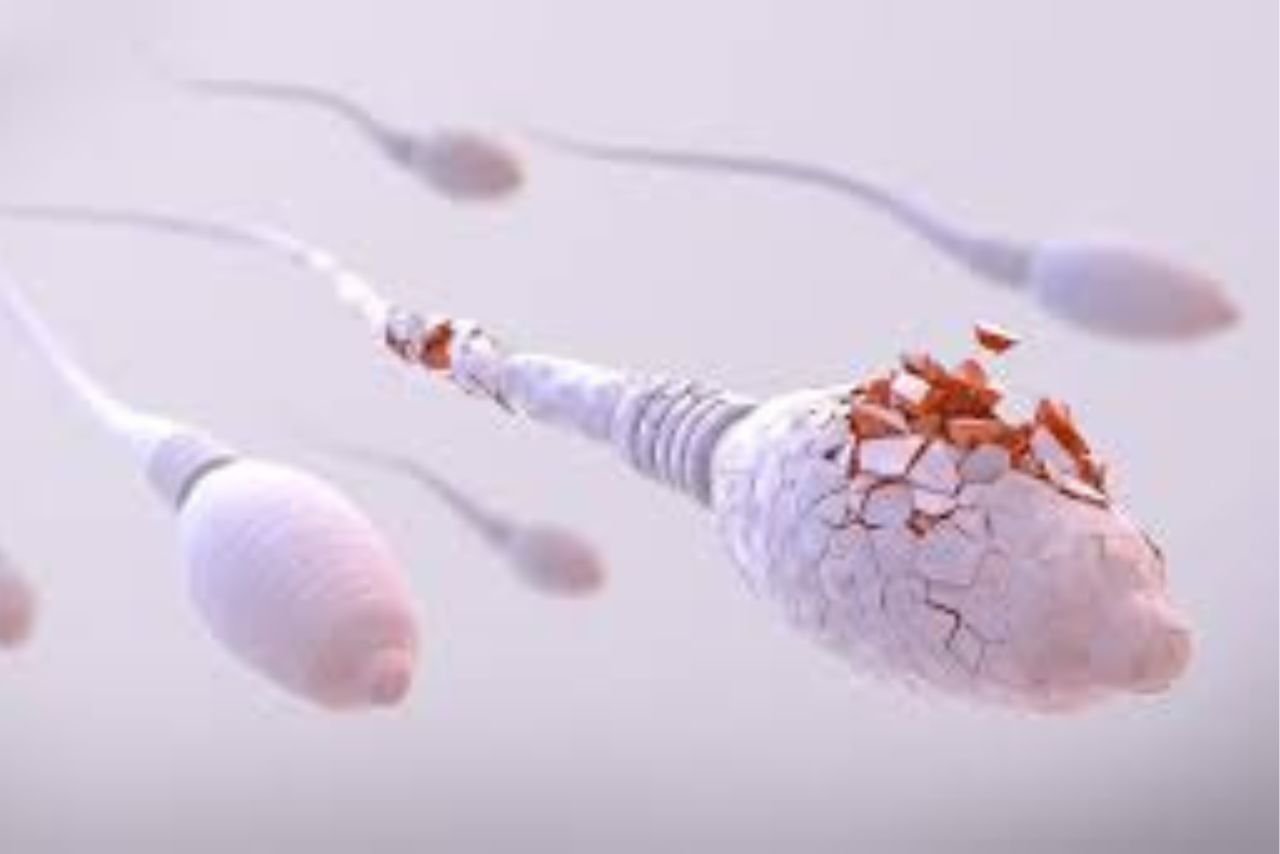
Teratozoospermia is abnormal sperm shape affecting fertilization. Ayurveda focuses on improving sperm morphology, detoxification, and enhancing reproductive health through herbal therapies and nutritional support.
Oligospe rmia
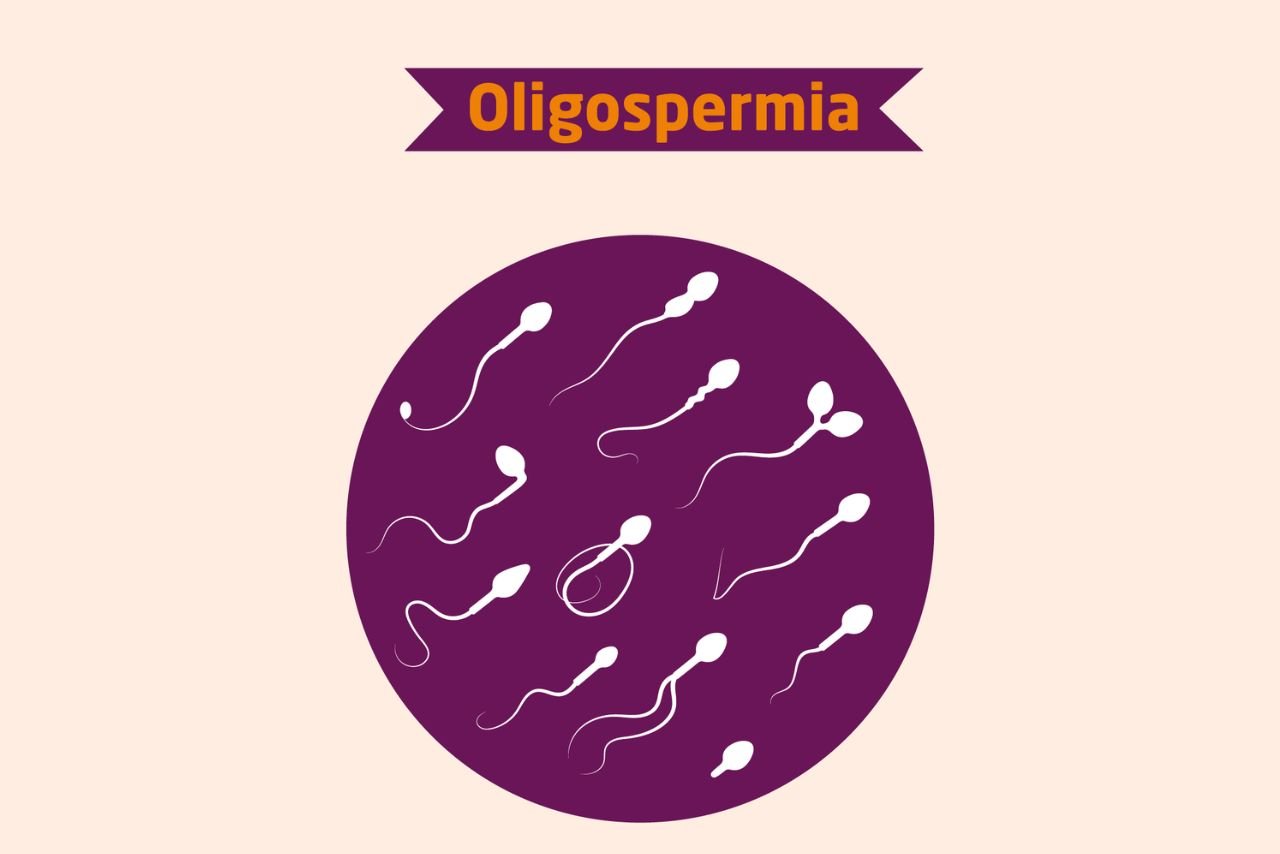
Oligospermia is low sperm count reducing conception chances. Ayurvedic treatment improves sperm quantity, enhances vitality, and corrects underlying causes through detoxification and rejuvenation therapies.
PCOS / PCOD
PCOS is hormonal imbalance causing irregular periods and infertility. Ayurveda balances hormones, improves ovulation, reduces cysts, and supports reproductive health through holistic therapies and lifestyle management.
Tubal Block
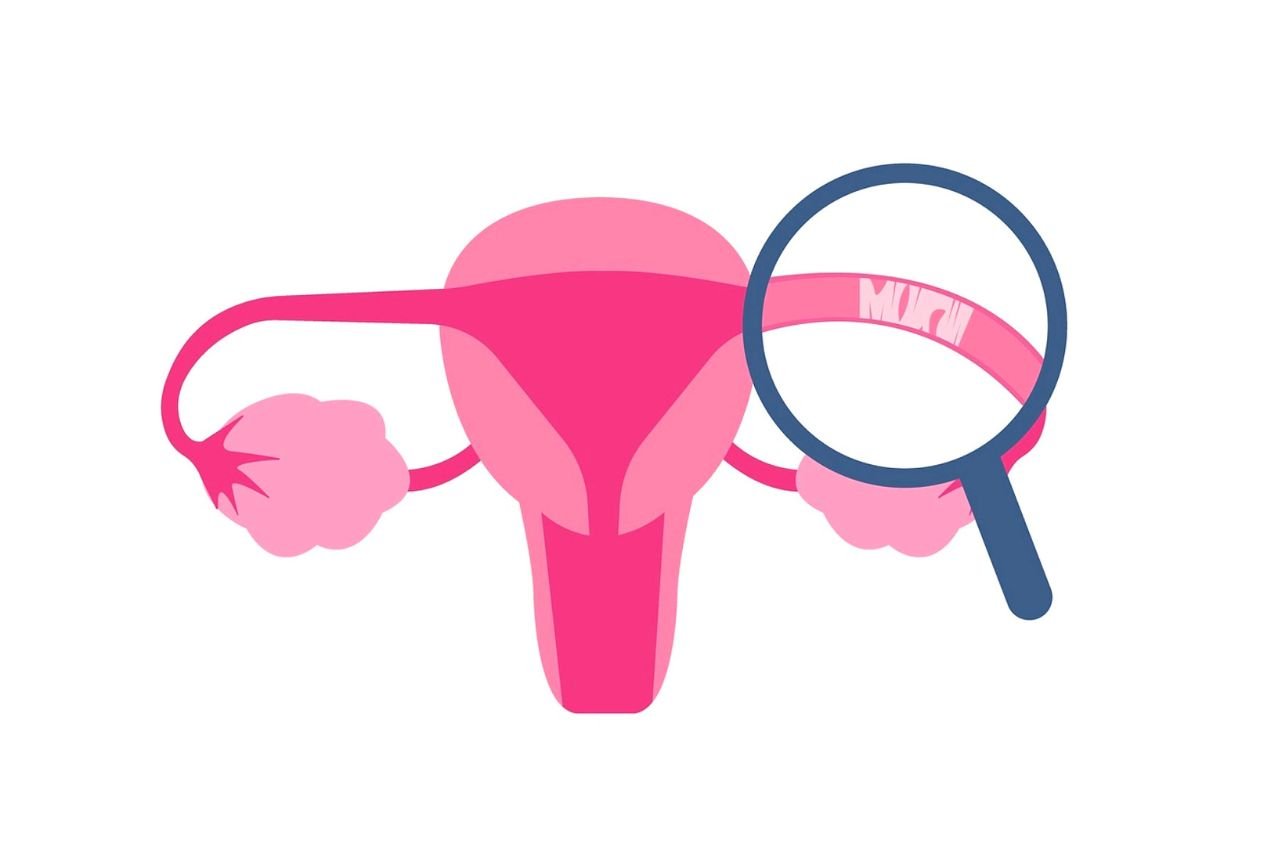
Tubal blockage prevents egg and sperm meeting. Ayurveda treats by cleansing reproductive channels, reducing blockages, and improving fertility through specialized therapies and detoxification procedures.
Endometri osis
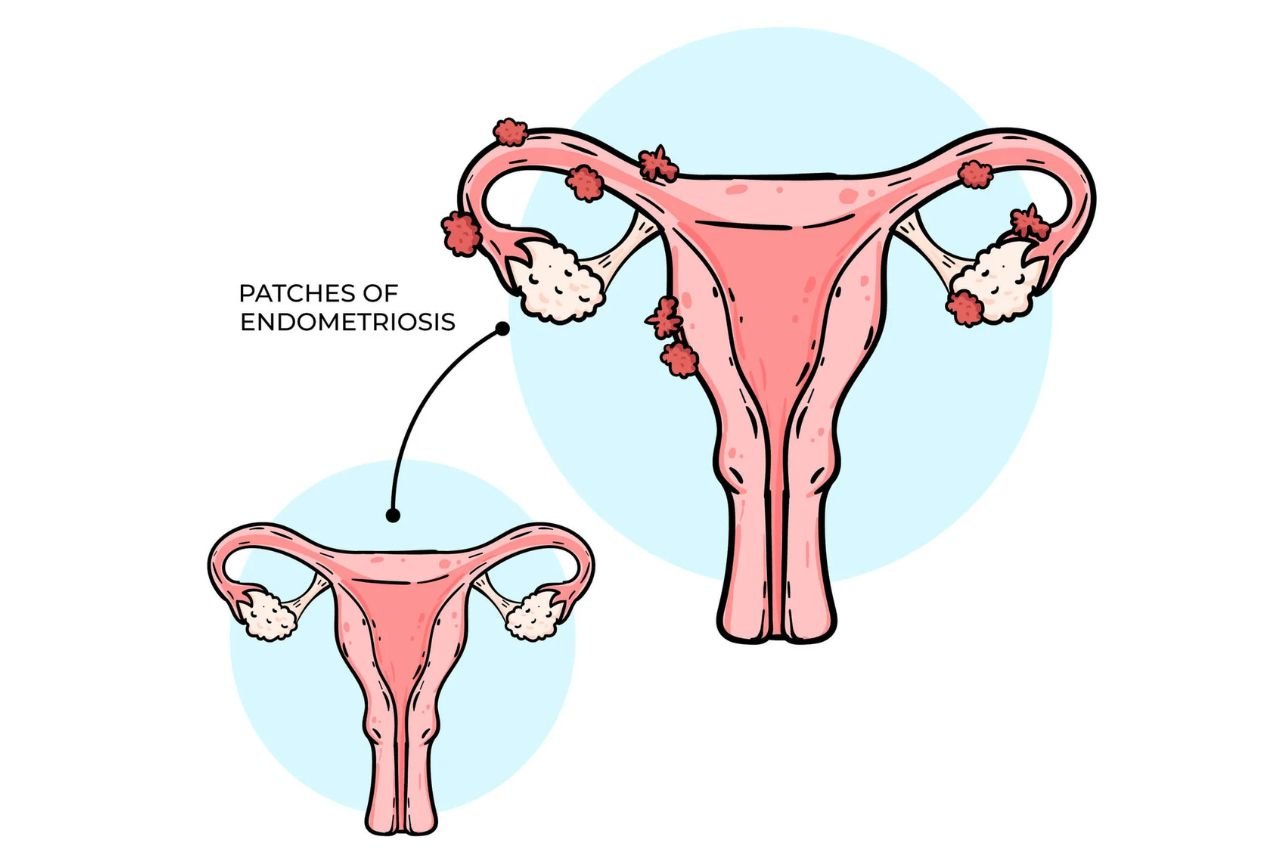
Endometriosis causes tissue growth outside uterus leading to pain and infertility. Ayurveda manages by reducing inflammation, balancing doshas, and regulating menstruation through natural therapies.
AZOOSPERMIA
Azoospermia is a condition in which no sperm are present in the semen, leading to male infertility. It affects about 1% of all men and a significant proportion of infertile males.
Types:
1.Obstructive azoospermia
2.Non obstructive azoospermia
Ayurveda approach includes Shukra vruddhi (improving sperm production ),Rasayana (rejuvenation therapy ) and panchakarma including detoxification .
ASTHENOZOOSPERMIA
Asthenozoospermia is a condition in which the movement (motility) of sperm is reduced, affecting the sperm’s ability to reach and fertilize the egg. It can occur due to vVaricocele (enlarged veins in scrotum),Infections of reproductive tract,Oxidative stress Hormonal imbalance,Nutritional deficiencies (zinc, selenium, vitamins),Smoking, alcohol, drug use
Asthenozoospermia can be correlated with Shukra Dushti, where the quality and movement of Shukra Dhatu (sperm) are affected.Oligoasthenozoospermia is characterised by decreased motility and a reduced sperm count. Thousands of years ago, Ayurveda recognised the issue of male sexual dysfunction and created Vajeekarana Chikitsa, a distinct specialty (Aphrodisiac Therapy). One branch of Ayurveda called Vajeekarana treats disorders of the seminal fluid, defective semen, disturbed sexual potency, spermatogenesis, and male seminal disorders. It also preserves and amplifies the sexual potency of healthy men and helps them conceive healthy progeny . Vajeekarana enhances a person’s physical, psychological, and social well-being in addition to promoting sexual ability and performance
TERATOZOOSPERMIA
It is a condition in which a high percentage of sperm have abnormal shape (morphology). This affects the sperm’s ability to fertilize the egg, leading to infertility.
Causes includes Genetic factors,Varicocele,Oxidative stress,Infections,Hormonal imbalance,Nutritional deficiencies (zinc, folic acid)Smoking, alcohol, drug
In the treatment of male infertility, it can be concluded that a method based on Ayurvedic principles can lead to encouraging outcomes by improving not only sexual functioning indicators but also the quantity and quality of semen
OLIGOSPERMIA
It is a condition in which the sperm count in semen is lower than normal, reducing the chances of natural conception. Oligozoospermia may occur due to Hormonal imbalance (low testosterone),Varicocele,Infections (testicular or reproductive tract),Genetic factors ,Nutritional deficiencies (zinc, vitamins)
The treatment approach emphasised Aamapachana (toxin elimination) and rejuvenation of Shukra Dhatu through Shodhan (bio-purification) and Shaman (curative) treatment to address the root cause of infertility. The outcome demonstrated notable improvements in both sperm count and motility, indicating the effectiveness of Ayurvedic therapies in managing oligospermia (Shukra Kshaya).
PCOD / PCOS
It is a hormonal and metabolic disorder affecting women of reproductive age. It is characterized by irregular periods, hormonal imbalance, and multiple small cysts in the ovaries.
Symptoms:
- Irregular or missed periods
- Excess facial or body hair (hirsutism)
- Acne and oily skin
- Weight gain or difficulty losing weight
- Hair fall or thinning
- Infertility issues
PCOS/PCOD can be correlated with Artava Dushti and Kapha-Vata imbalance, affecting the reproductive system (Artavavaha Srotas).In Ayurveda ,Shodhana therapies like Vamana, Virechana, and especially Basti are used to regulate Vata and normalize the menstrual cycle. Herbal formulations help in reducing cyst formation, improving ovulation, and supporting hormonal balance. Alongside, strict Pathya-Apathya including a light, low-glycemic diet, regular exercise, weight management, and stress reduction plays a crucial role, making the treatment both corrective and preventive at a systemic level.
TUBAL BLOCK
Fallopian tube blockage refers to a condition where one or both fallopian tubes are partially or completely blocked, preventing the egg and sperm from meeting.
Types of tubal blockage:
- Proximal block – near the uterus
- Distal block – near the ovary (may form hydrosalpinx)
- Unilateral block – one tube blocked
- Bilateral block – both tubes blocked
Tubal block can be correlated with Artavavaha Srotorodha (blockage in reproductive channels).Ayurveda approach includes srotoshodana ,artava vaha srotas purification Panchakarma therapies including virechana-detoxification,basti therapy,uttara basti.
ENDOMETRIOSIS
It is a condition in which tissue similar to the inner lining of the uterus (endometrium) grows outside the uterus, commonly affecting ovaries, fallopian tubes, and pelvic lining.
Symptoms:
- Severe menstrual pain (dysmenorrhea)
- Chronic pelvic pain
- Pain during intercourse
- Heavy or irregular periods
- Infertility
- Pain during urination or bowel movements (in some cases)
Endometriosis can be correlated with Artava Dushti and conditions involving Vata-Pitta imbalance.Ayurveda treatment principles include vata pitta shamana ,artava shodana (regulation of menstruation),vedanastapana(pain relief ).Panchakarma procedures include virechana-reduces pitta and inflammation ,Basti therapy and uttara basti.