
ENT (Ear, Nose & Throat)
Complete care for ear, nose, and throat health

ENT (Ear, Nose & Throat)
Complete care for ear, nose, and throat health
ENT care focuses on diagnosing and treating conditions affecting the ear, nose, and throat. These areas are essential for breathing, hearing, and communication. Common conditions include sinusitis, nasal issues, ear infections, gum problems, and upper respiratory tract infections. Symptoms may include pain, congestion, hearing loss, and discomfort. With advanced diagnostics, medications, and preventive care, ENT specialists provide effective treatment and long-term relief. Early diagnosis and proper care help maintain optimal function and improve overall quality of life.
Comprehensive ENT (Ear, Nose & Throat) Care
Comprehensive ENT care addressing ear, nose, and throat conditions, improving breathing, hearing, and overall health through accurate diagnosis, treatment, and preventive care.
NASAL HYPERTROPHY
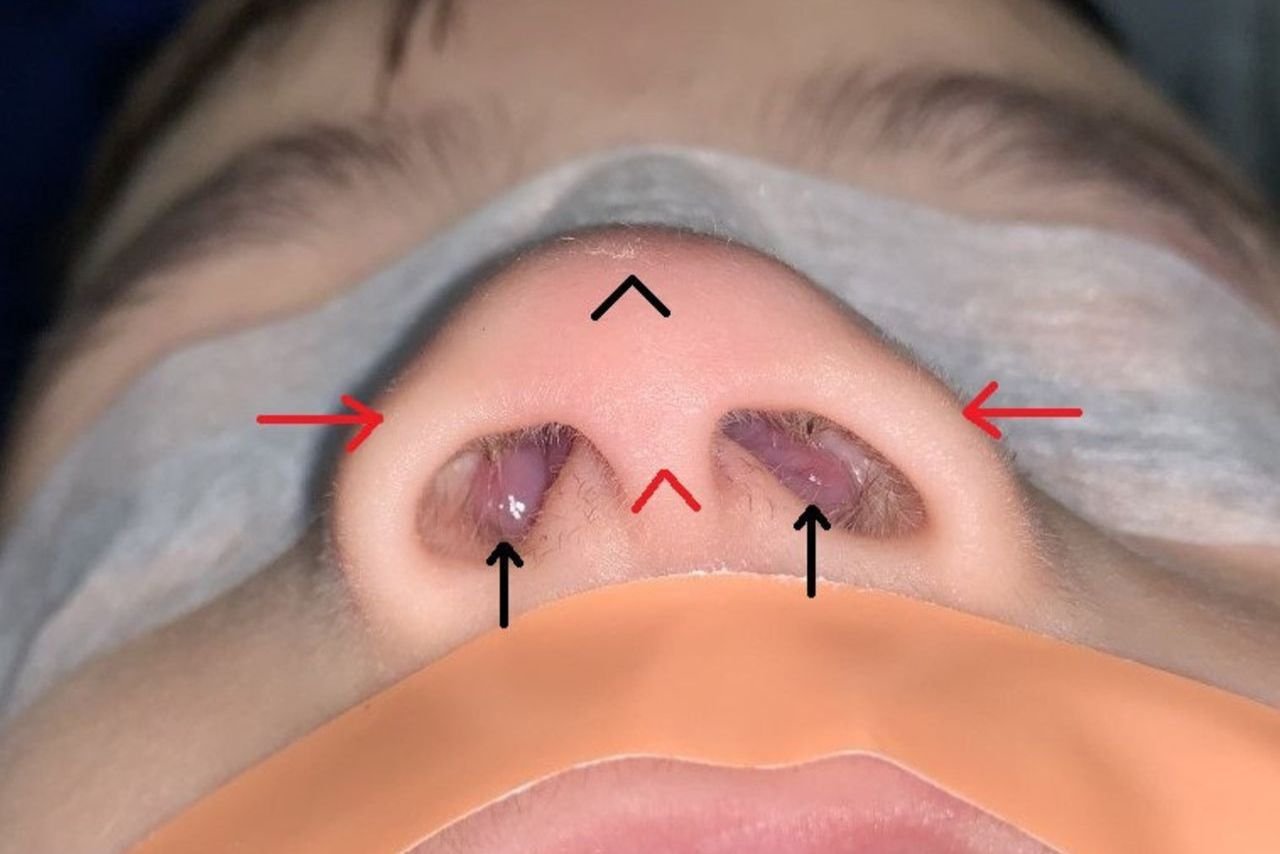
Nasal hypertrophy causes enlarged nasal tissues leading to blockage and breathing difficulty, managed through medications, sprays, and procedures for better airflow.
CHRONIC SINUSITIS
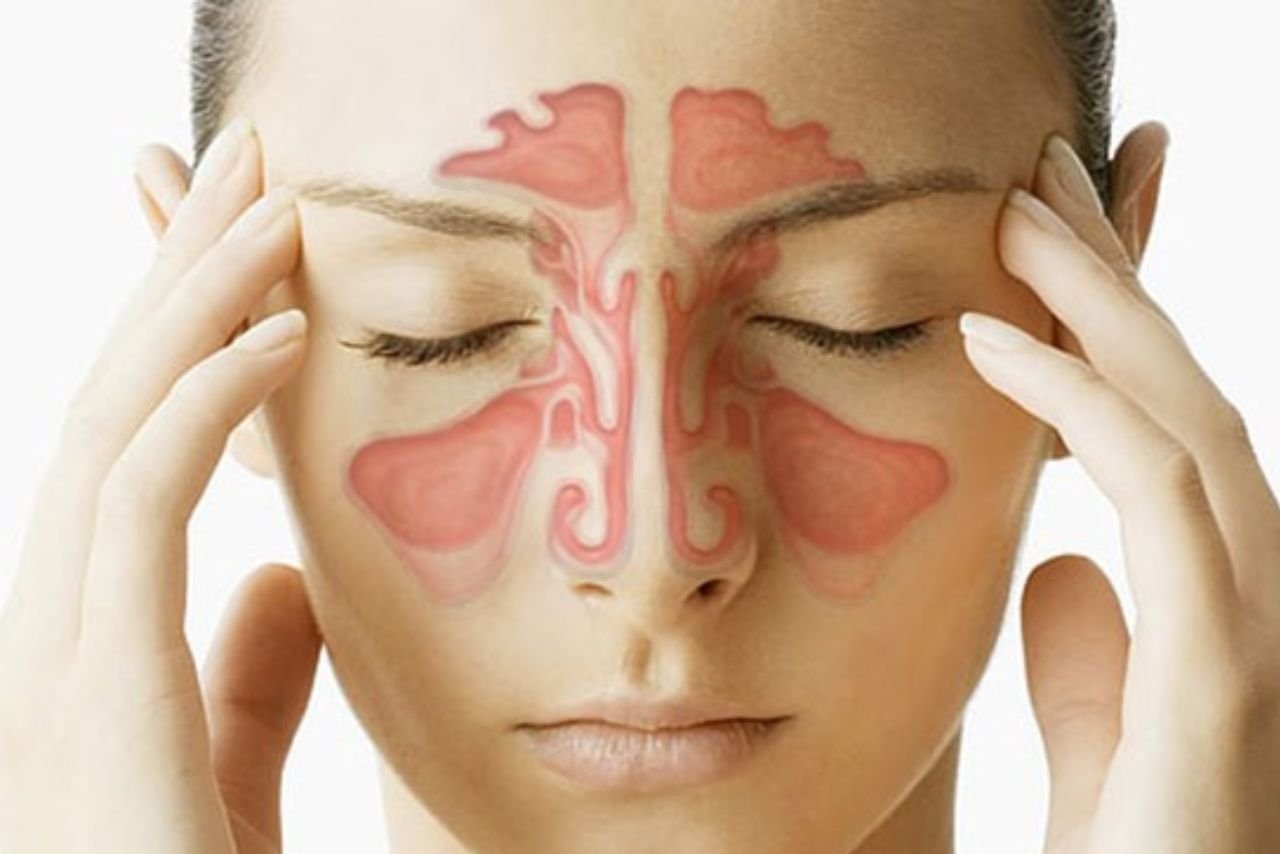
Chronic sinusitis causes long-term sinus inflammation, congestion, facial pain, and mucus buildup, treated with medications, steam inhalation, and medical care.
OTITIS (ASOM / CSOM)
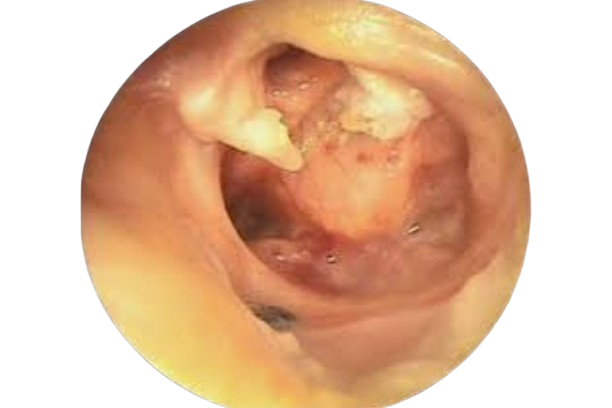
Otitis is ear infection causing pain, discharge, and hearing issues, treated with medications, cleaning, and medical care to prevent complications effectively.
BLEEDING GUMS
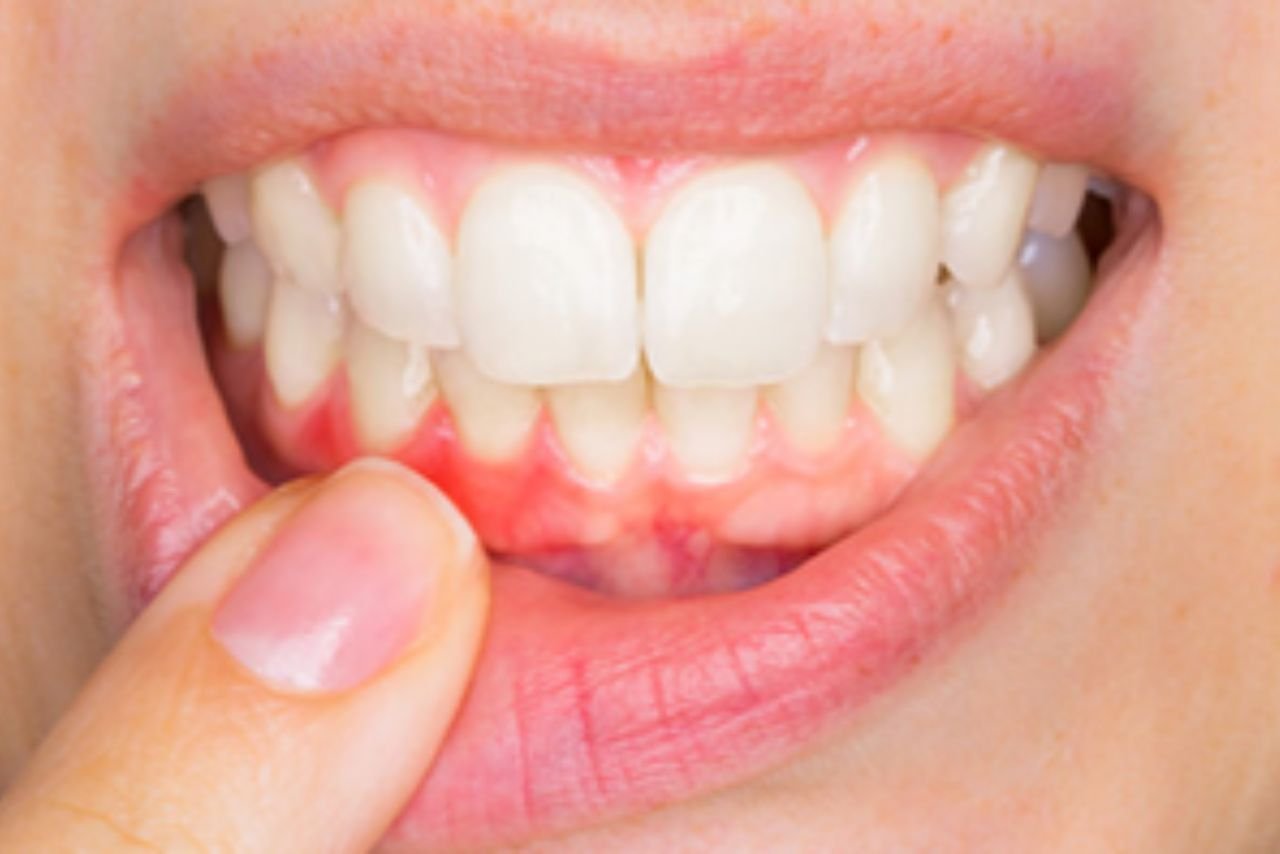
Bleeding gums indicate gum disease or poor hygiene, managed through dental care, cleaning, improved brushing habits, and treating underlying oral conditions.
BAD BREATH

Bad breath results from poor oral hygiene or infections, managed through cleaning, hydration, dental care, and treating underlying health conditions effectively.
URTI (Upper Respiratory Tract Infection)

URTI affects nose and throat causing cough, congestion, and fever, treated with medications, rest, hydration, and preventive hygiene measures effectively.
NASAL HYPERTROPHY
Nasal hypertrophy or turbinate hypertrophy is the abnormal enlargement of nasal turbinates leading to chronic nasal congestion and breathing difficulty
Symptoms:
- Nasal blockage
- Difficulty breathing through nose
- Mouth breathing
- Snoring
- Reduced sense of smell
- Headache
In ayurveda this condition is understood as NASANAHA, The Ayurvedic approach focuses on clearing the obstruction and balancing the doshas through therapies like Nasya (nasal administration of medicated oils), Swedana (steam therapy), and Dhoomapana (medicated smoke inhalation).
CHRONIC SINUSITIS
Sinusitis is the inflammation of the mucosal lining of the paranasal sinuses ,usually due to infection,allergy or structural blockage ,leading to impaired drainage of mucus.
Symptoms:
- Nasal congestion
- Thick nasal discharge
- Facial pain or pressure
- Headache
- Post nasal drip
- Reduced sense of smell
In Ayurveda ,it is commonly correlated with dushta pratishyaya ,where vitiated kapha dosha along with vata causes accumulation of thick mucus and obstruction in the sinus.The Ayurvedic management focuses on Kapha-Vata shamana, clearing accumulated doshas, and restoring normal sinus drainage. Therapies such as Nasya (medicated nasal drops) play a key role in expelling excess Kapha from the head region. Swedana (steam inhalation) helps liquefy and drain mucus, while Dhoomapana (herbal fumigation) supports respiratory clearance.
OTITIS (ASOM / CSOM)
Otitis refers to inflammation of the ear .commonly classified based on the part of the ear involved -otitis externa(out ear),otitis media(middle ear),otitis interna (inner ear).
ASOM:
Acute suppurative otitis media is the acute infection of the middle ear characterized by presence of pus .It typically occurs suddenly and is often associated with severe ear pain,fever ,hearing loss.
CSOM:
Chronic suppurative otitis media is the persistent infection of the middle ear that lasts for more than 6 weeks. It is characterized by recurrent ear discharge and can lead to long term complications.
In Ayurveda,conditions like Acute suppurative otitis media and chronic suppurative otitis media are understood under karna roga ,particularly karna shula and karna srava .ASOM represents an acute stage dominated by Vata Pitta, characterized by pain, inflammation, and sometimes fever, while CSOM reflects a chronic condition with Kapha Vata predominance, leading to persistent discharge and hearing impairment. The Ayurvedic approach focuses on Nidana Parivarjana (avoiding causative factors like cold exposure and water entry), Dosha Shamana, and clearing of channels. In chronic cases therapies like karna poorana (medicated oil installation),nasya and dhoomapana.
BLEEDING GUMS
Bleeding gums refer to inflamed,sensitive gum tissue that bleeds easily, usually indicating inflammation or underlying systemic issues.common causes include gingivitis,periodontitis,poor oral hygiene,vitamin deficiencies ,aggressive brushing or flossing .
Symptoms:
- Bleeding while brushing
- swollen ,red tender gums
- Bad breath
Ayurveda correlates this condition with danta moola roga mainly due to pitta and rakta dushti Bleeding gums are managed in Ayurveda by addressing Pitta and Rakta imbalance and improving oral hygiene Procedures like Gandusha (oil holding) and Kavala (gargling) with medicated oils.Maintaining proper oral hygiene, avoiding spicy and hot foods, and ensuring adequate nutrition play a key role in preventing recurrence.
BAD BREATH
Bad breath or halitosis is an unpleasant odor from the mouth,commonly due to oral or systemic causes.Common causes include poor oral hygiene,gingivitis,dental caries,digestive issues,smoking,alcohol.
Symptoms:
- Persistent foul smell from mouth
- Dryness
- White coating on tongue
- Bad taste in mouth
In Ayurveda, management of bad breath focuses on eliminating Ama and balancing Kapha and Pitta doshas. Treatment includes improving digestion (Deepana-Pachana) and maintaining oral hygiene. Practices like Jihva Nirlekhana (tongue scraping), Gandusha (oil pulling) with sesame or coconut oil, and Kavala (herbal gargles) help remove bacterial buildup and reduce odor.
URTI (Upper Respiratory Tract Infection)
URTI refers to infection of the upper respiratory system,including conditions like common cold,sinusitis,pharyngitis and laryngitis.
Symptoms:
- Runny or blocked nose
- Sneezing
- Sore throat
- Cough
- Headache
- Hoarseness of voice
Ayurveda focuses on treating the root cause and strengthening immunity.The treatment includes Deepana ,pachana for improving digestion and metabolism .Nasya therapy to cleanse nasal passages.Dhoomapana-medicated herbal fumigation.Kavala and gandusha for relief from throat pain.Steam inhalation.