
GYNECOLOGY
Comprehensive care for women’s health and wellness

GYNECOLOGY
Gynecology is a specialized field of medicine focused on the health and well-being of the female reproductive system, including the uterus, ovaries, fallopian tubes, and breasts. It covers a wide range of services such as routine check-ups, menstrual disorder management, fertility care, pregnancy support, and treatment of conditions like infections or hormonal imbalances. Gynecologists also provide preventive care, screenings, and guidance on reproductive health at every stage of life. With a patient-centered approach, gynecology aims to promote overall wellness, early diagnosis, and effective treatment for women’s health concerns.
Comprehensive Gynecology & Women’s Health Care
Holistic care for PCOS, menstrual irregularities, menorrhagia, dysmenorrhoea, hormone imbalance, and infertility, focusing on diagnosis, treatment, and improving reproductive health and overall wellbeing.
PCOD / PCOS
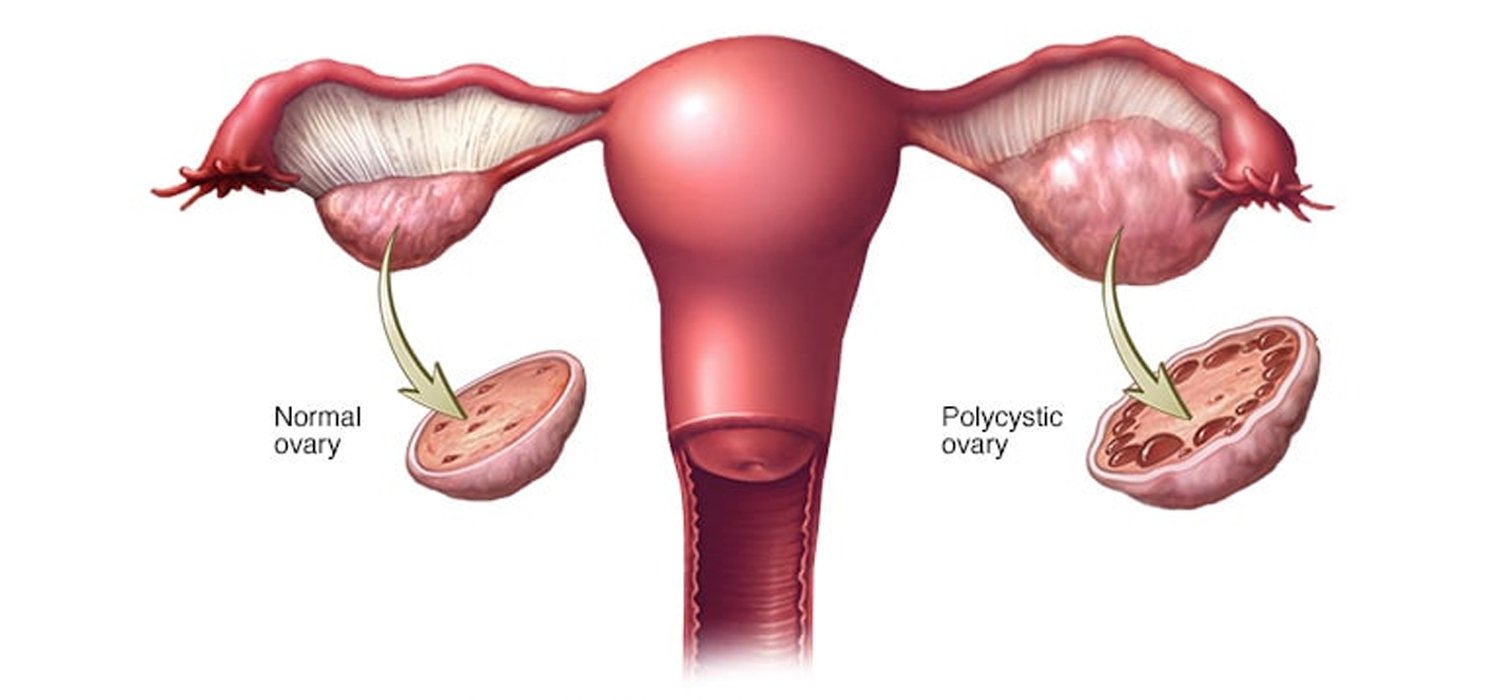
Polycystic ovary syndrome is a common hormonal disorder characterized by irregular or absent periods , excess androgen levels causing acne,hirsutism and polycystic ovaries . Whereas polycystic ovarian disease is a condition where ovaries produce many immature eggs which become cysts.
MENSTRUAL IRREGULARITIES
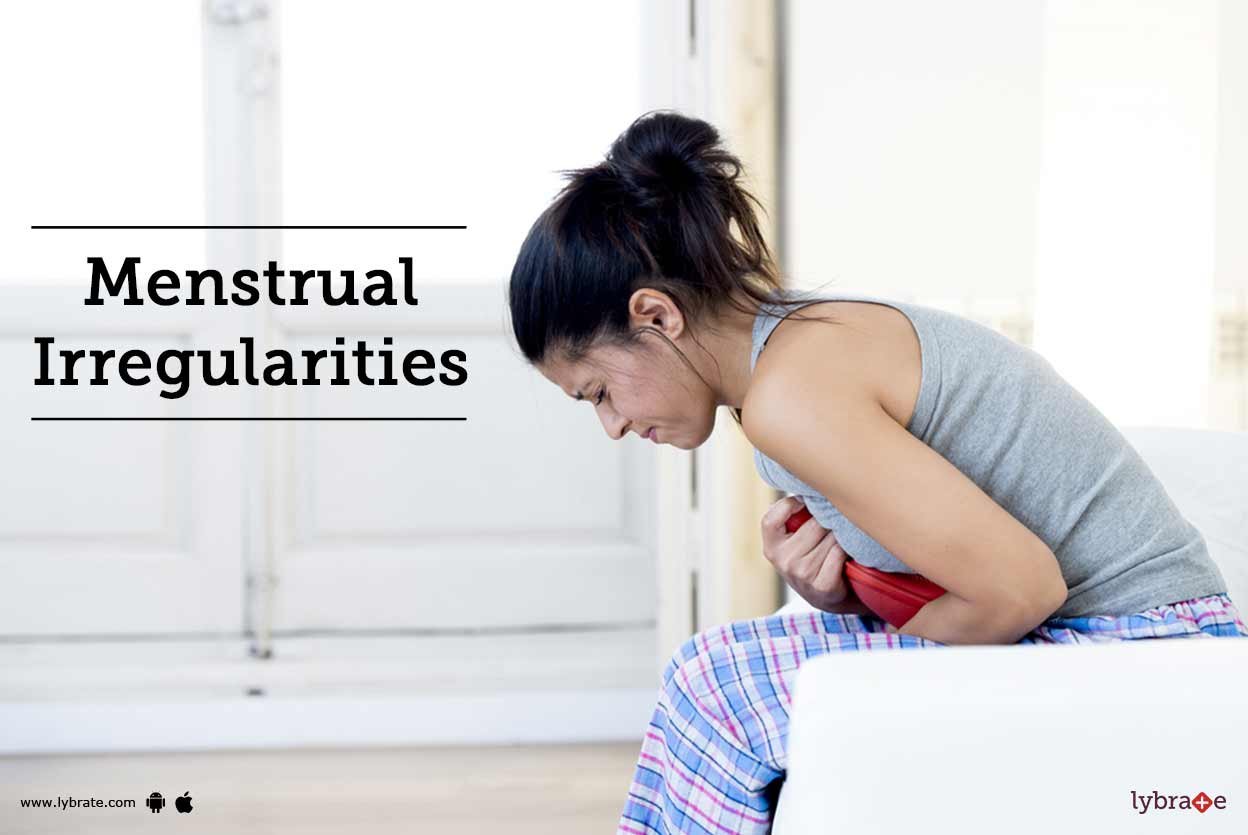
Irregular menstrual cycles can result from hormonal imbalance, stress, or health conditions, treated with medications, lifestyle changes, and proper gynecological evaluation.
MENORRHAGIA
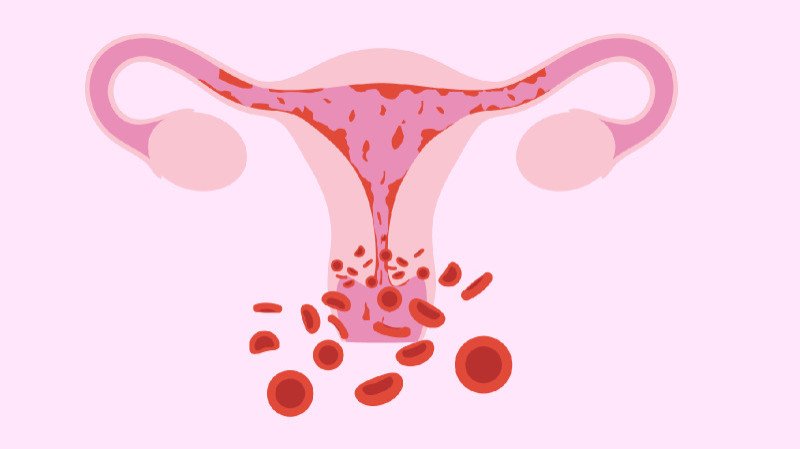
Menorhagia is defined as heavy or prolonged menstrual bleeding. It is characterized by bleeding that lasts more than 7 days.common causes include hormonal imbalance, uterine problems.
DYSMENORRHOEA
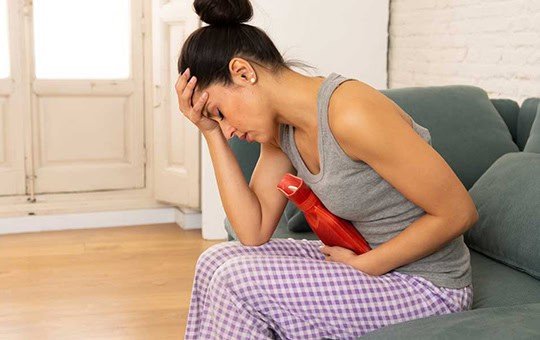
Dysmenorrhoea is a condition that causes severe and frequent menstrual cramps. It can be primary (without underlying cause) or secondary(due to conditions like endometriosis).
HORMONE IMBALANCE
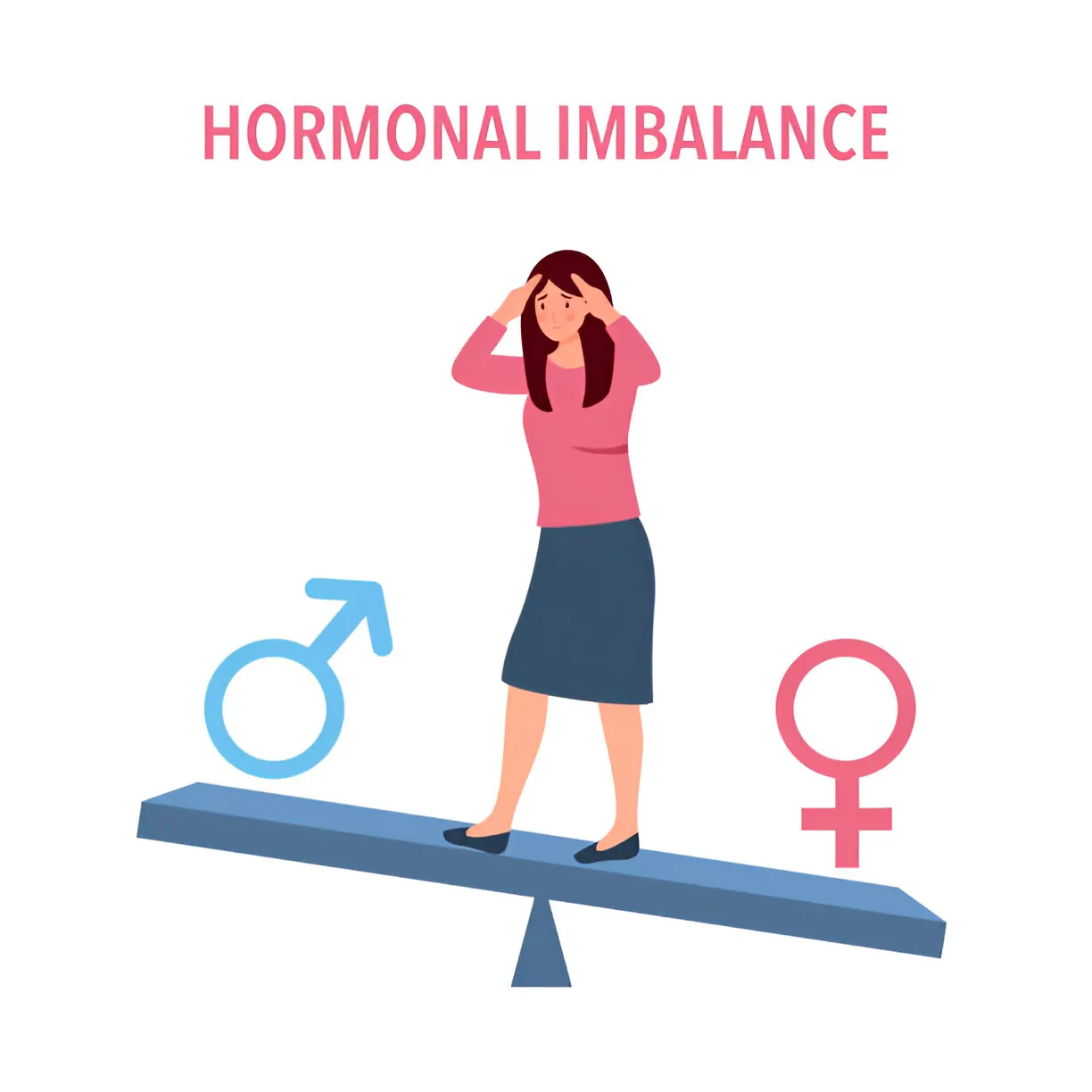
Hormone imbalance can be caused by many factors including stress,poor diet,lack of exercise.
PRIMARY AND SECONDARY INFERTILITY
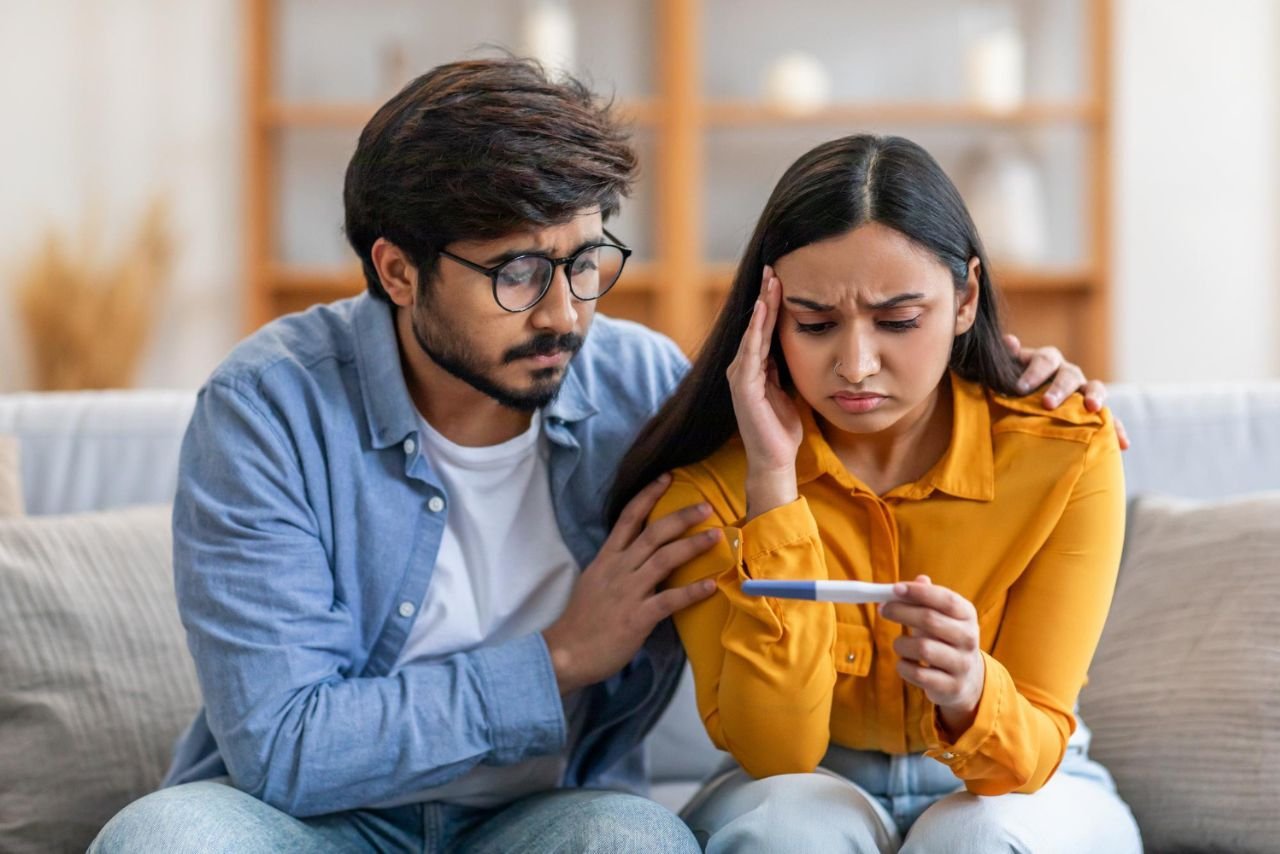
Primary infertility is defined as inability to conceive for the first child after 12 months of regular, unprotected sexual intercourse whereas secondary infertility is defined as inability to conceive or carry a pregnancy to term after previously giving birth.
PCOD / PCOS
Polycystic ovary syndrome is a common hormonal disorder characterized by irregular or absent periods , excess androgen levels causing acne,hirsutism and polycystic ovaries . Whereas polycystic ovarian disease is a condition where ovaries produce many immature eggs which become cysts.
Symptoms:
- Irregular periods
- Hirsutism-excess facial/body hair
- Acne
- Weight gain
- Infertility issues
In Ayurveda ,Shodhana therapies like Vamana, Virechana, and especially Basti are used to regulate Vata and normalize the menstrual cycle. Herbal formulations help in reducing cyst formation, improving ovulation, and supporting hormonal balance. Alongside, strict Pathya-Apathya including a light, low-glycemic diet, regular exercise, weight management, and stress reduction plays a crucial role, making the treatment both corrective and preventive at a systemic level.
MENSTRUAL IRREGULARITIES
Menstrual irregularities refers to changes in normal menstrual cycle which typically ranges from 21-35 days.The most common menstrual irregularities include amenorrhea (absent menstrual periods ),oligomenorrhea(periods that occur more than 35 days apart),prolonged menstrual bleeding(bleeding for 8 days),polymenorrhea(frequent menstrual periods less than 21 days apart)
Menstrual irregularities in Ayurveda are understood under Artava dushti and various Yonivyapad, reflecting imbalance of Vata, Pitta, and Kapha along with disturbance in Artavavaha srotas.
In Ayurveda, Artava-dusht is managed by correcting the underlying Dosha imbalance.The treatment focuses on Deepana,Pachana to kindle digestion, followed by Vatanulomana and Srotoshodhana to clear obstruction in the Artavavaha srotas and restore normal menstrual flow. Depending on the presentation, Artava-janana (menstrual stimulants) or Rakta-prasadana (blood purification) therapies are employed.
MENORRHAGIA
Menorhagia is defined as heavy or prolonged menstrual bleeding. It is characterized by bleeding that lasts more than 7 days.common causes include hormonal imbalance, uterine problems.
Symptoms:
- Bledding lasting longer than 7 days.
- Need frequent change of pads or tampons due to heavy flow
- Severe period cramps
- tiredness
Menorrhagia in Ayurveda is mainly correlated with Asrigdara / Raktapradara, where there is excess menstrual flow.Initially, Deepana–Pachana is used if Agnimandya and Ama are present, followed by therapies that promote Rakta prasadana and uterine stability. In suitable patients, Virechana is considered to eliminate vitiated Pitta.Oral medications which helps to tone up the uterine musculature and corrects excessive bleeding .
DYSMENORRHOEA
Dysmenorrhoea is a condition that causes severe and frequent menstrual cramps. It can be primary (without underlying cause) or secondary(due to conditions like endometriosis).
Symptoms:
- Lower abdomen cramps
- Nausea,vomiting
- Fatigue
- Headache
Dysmenorrhea is mainly related to udavarta yonivyapad .In Ayurveda this condition is managed by snehana(oleation),swedana(fomentation) and basti(enema).these treatments are considered highly effective .Ayurveda formulations are prescribed to relieve pain.
HORMONE IMBALANCE
Hormone imbalance can be caused by many factors including stress,poor diet,lack of exercise.
Symptoms:
- Weight gain /weight loss
- Fatigue
- Mood swings
- Sleep disturbances
- Irregular periods
- Infertility
- Excess hair growth
In Ayurveda, hormonal imbalance is understood as a disturbance of Doshas (Vata, Pitta, Kapha) along with impaired digestive fire and vitiation of Dhatus.The treatment focuses on restoring balance through Deepana Pachana (improving digestion and metabolism), followed by Shodhana therapies like Virechana or Basti to eliminate accumulated doshas. A disciplined lifestyle with proper sleep, stress management, and a balanced diet avoiding processed, oily, and incompatible foods is emphasized. Regular yoga and pranayama further help in stabilizing the endocrine system and promoting overall hormonal harmony.
PRIMARY AND SECONDARY INFERTILITY
Primary infertility is defined as inability to conceive for the first child after 12 months of regular, unprotected sexual intercourse whereas secondary infertility is defined as inability to conceive or carry a pregnancy to term after previously giving birth.
In Ayurveda, infertility is correlated with vyandhatwa and is managed by restoring the balance of Doshas, mainly Vata, and improving the quality of Shukra (sperm) and Artava (ovum). The approach begins with correcting Agni through Deepana-Pachana to ensure proper nourishment of Dhatus. is followed by Shodhana therapies like Virechana and Basti to eliminate vitiated doshas and enhance reproductive health.Uttara basti has shown tremendous results in such cases.