
Neurology
Holistic Care for Neurological Health
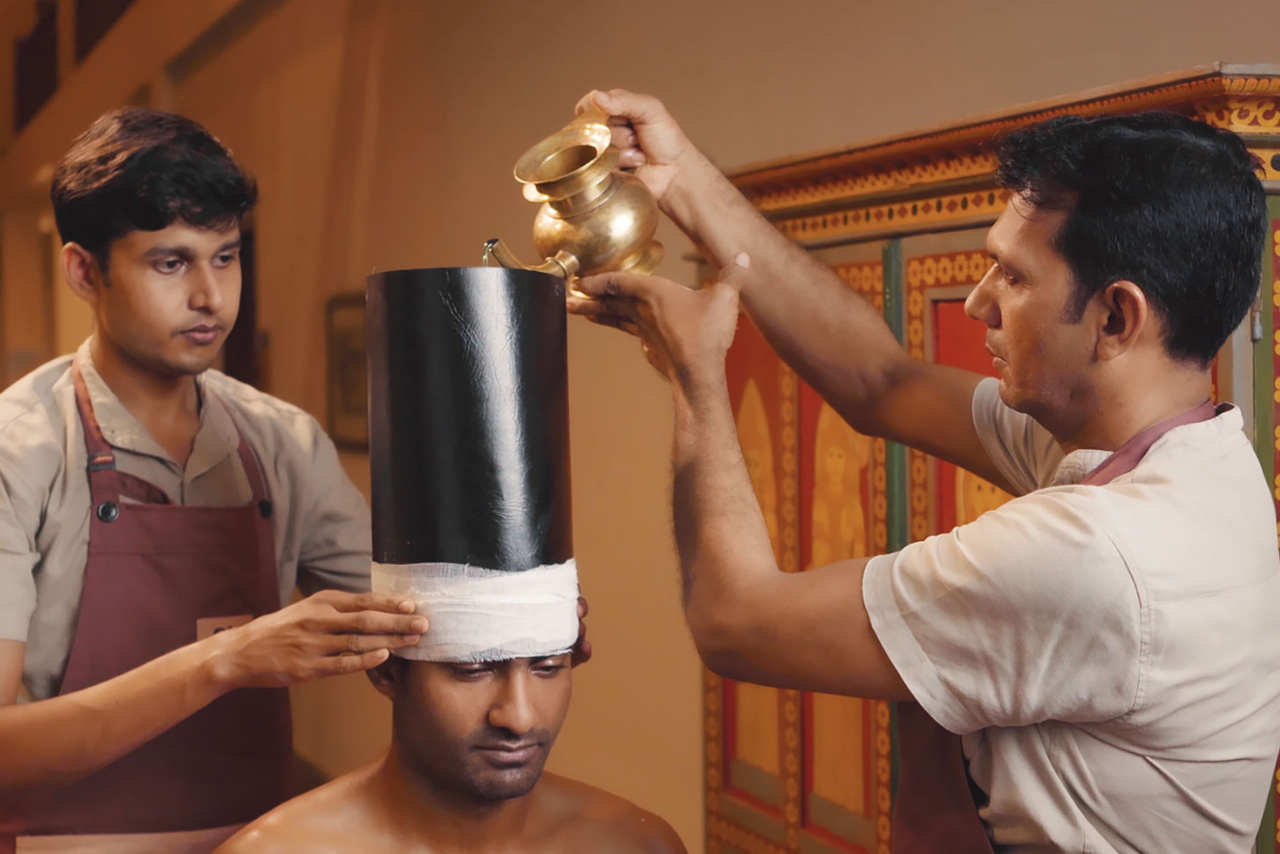
NEUROLOGY
Advanced Ayurvedic Solutions for Neurological Disorders
Our Neurology care focuses on diagnosing and managing disorders of the brain, spine, and nervous system through a holistic Ayurvedic approach. We offer personalized treatments for conditions such as migraines, neuropathy, sciatica, paralysis, spondylitis, and stress-related neurological issues. By combining classical Panchakarma therapies, herbal medications, and lifestyle guidance, we aim to restore nerve function, improve mobility, and enhance overall well-being. Our expert physicians identify the root cause of neurological imbalances and provide safe, natural, and effective care. With continuous monitoring and patient-centered support, we strive to deliver long-lasting relief and improve quality of life naturally.
Ayurvedic Care for Neurological Balance
Holistic Ayurvedic therapies managing neurological disorders, improving nerve function, reducing pain, restoring balance, and enhancing overall mental and physical wellbeing naturally.
PARKINSON’S
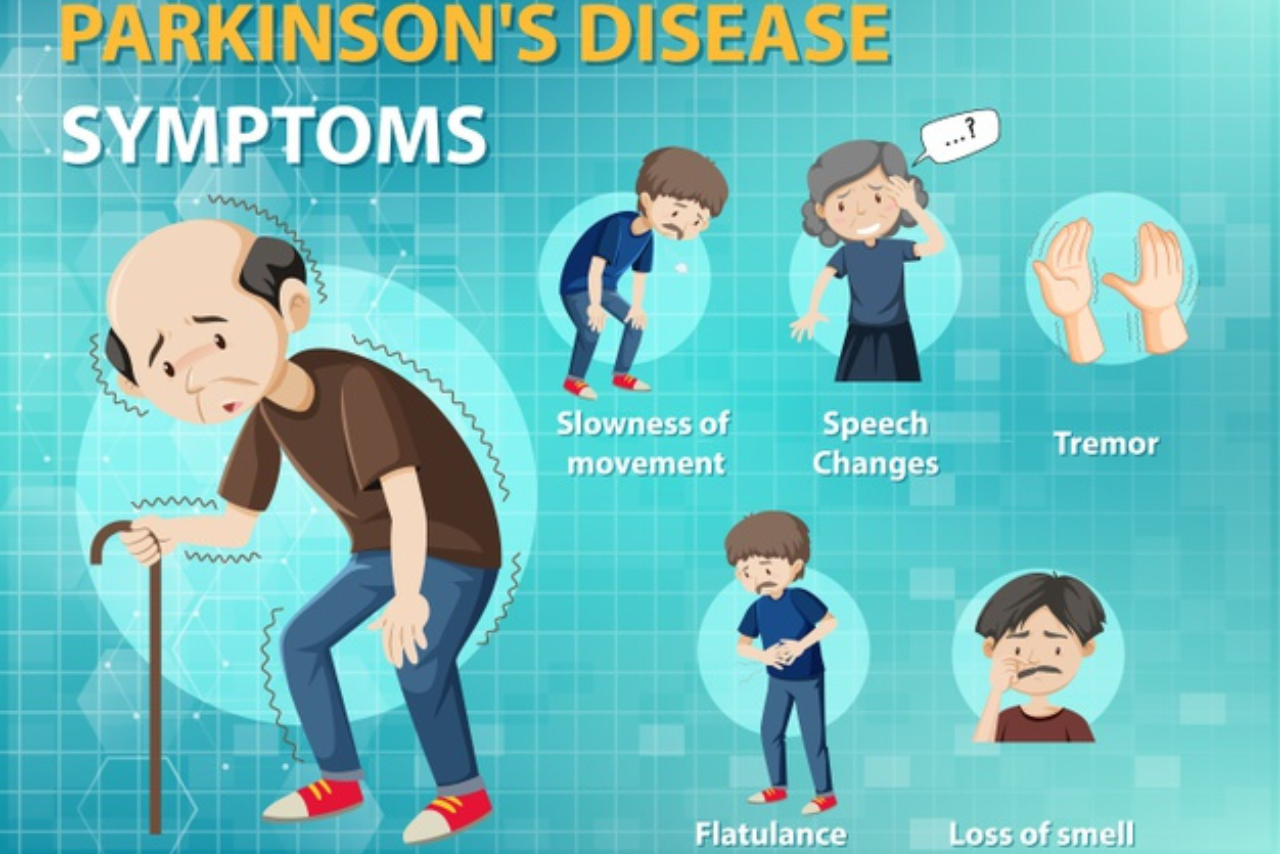
Parkinson’s is a progressive neurological disorder causing tremors, stiffness, slow movement, and balance issues due to dopamine deficiency. Ayurveda manages it through Vata-balancing therapies and rejuvenation.
PARALYSIS
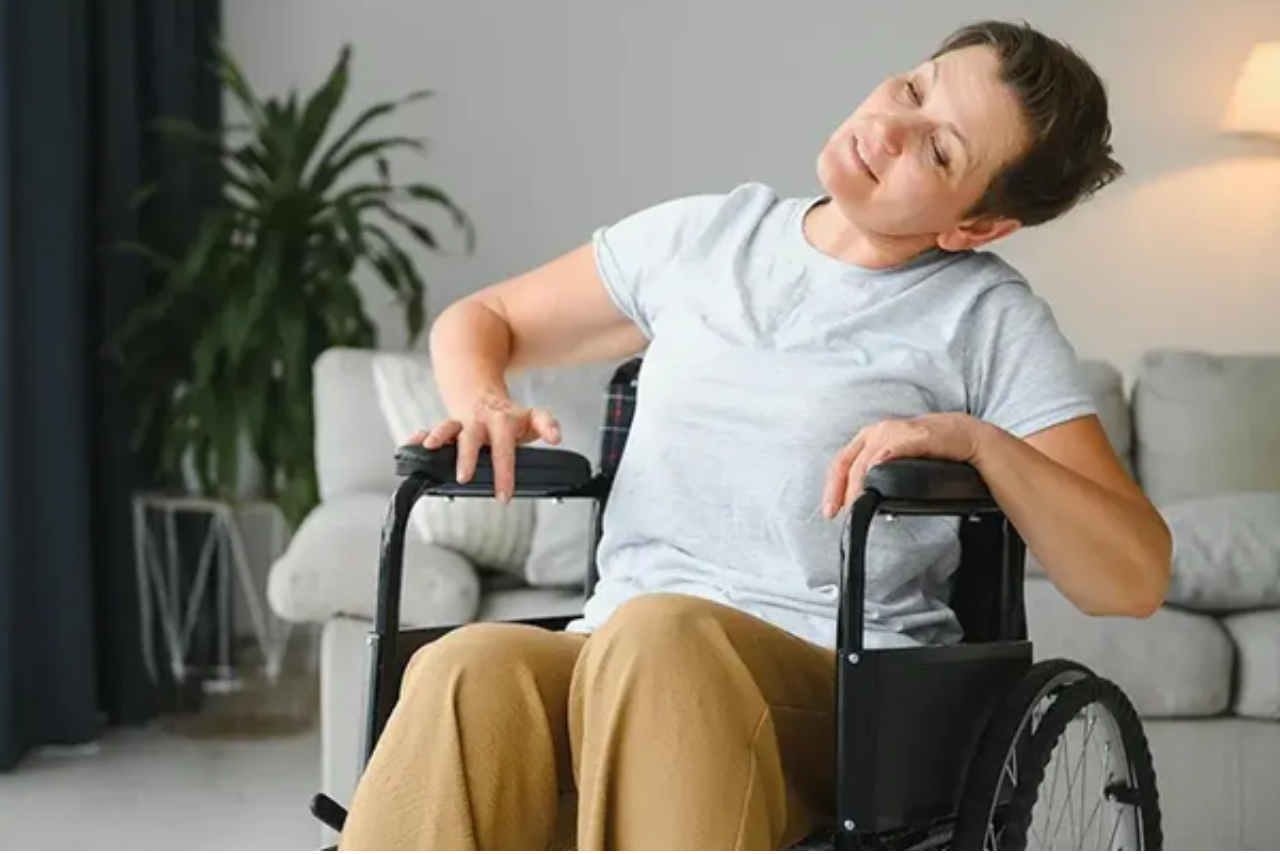
Paralysis is loss of muscle movement caused by nerve damage affecting mobility, sensation, and coordination. Ayurveda focuses on restoring nerve function through Vata-balancing therapies and rehabilitation.
ALZHEIMER’S DISEASE
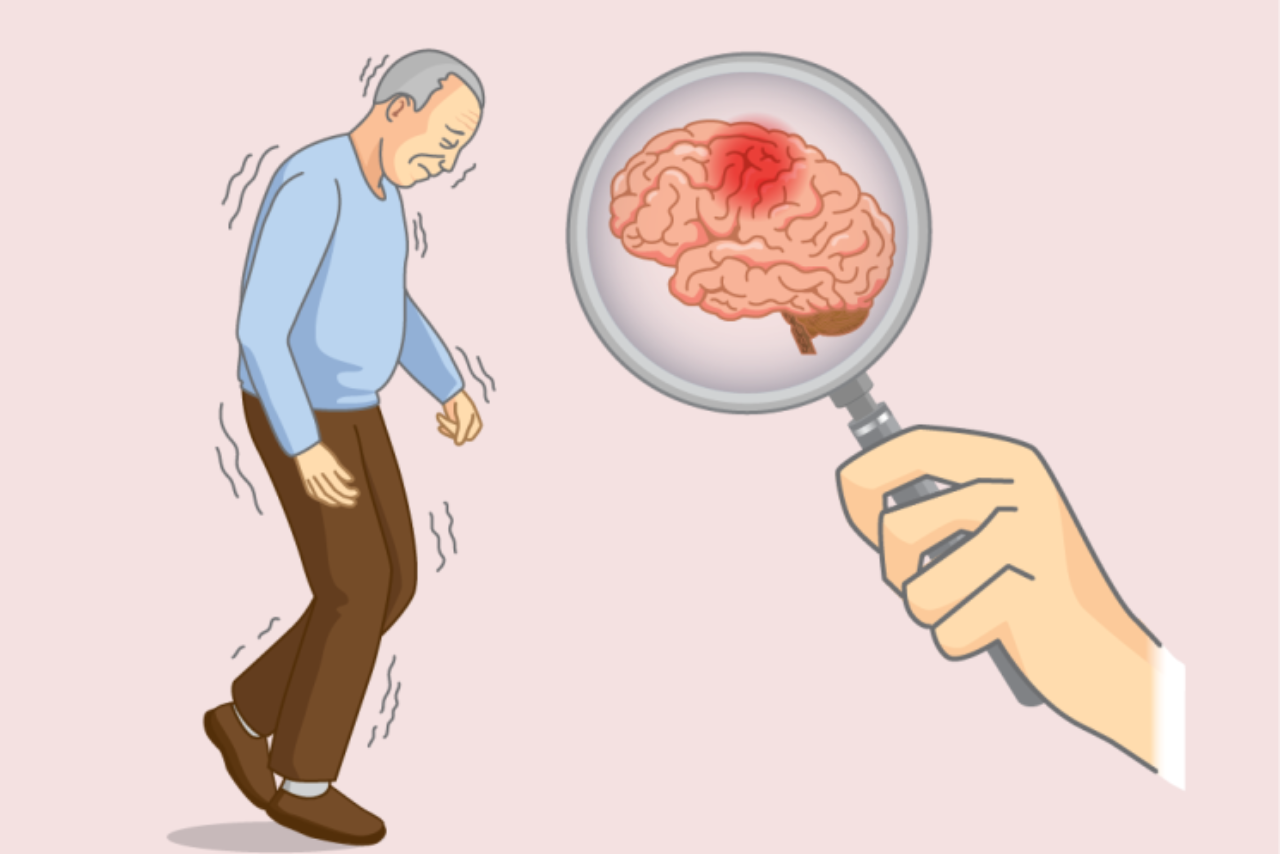
Alzheimer’s disease is a progressive brain disorder causing memory loss, confusion, and cognitive decline. Ayurveda supports brain health using rejuvenation therapies, herbal care, and nervous system nourishment.
Trigeminal Neuralgia
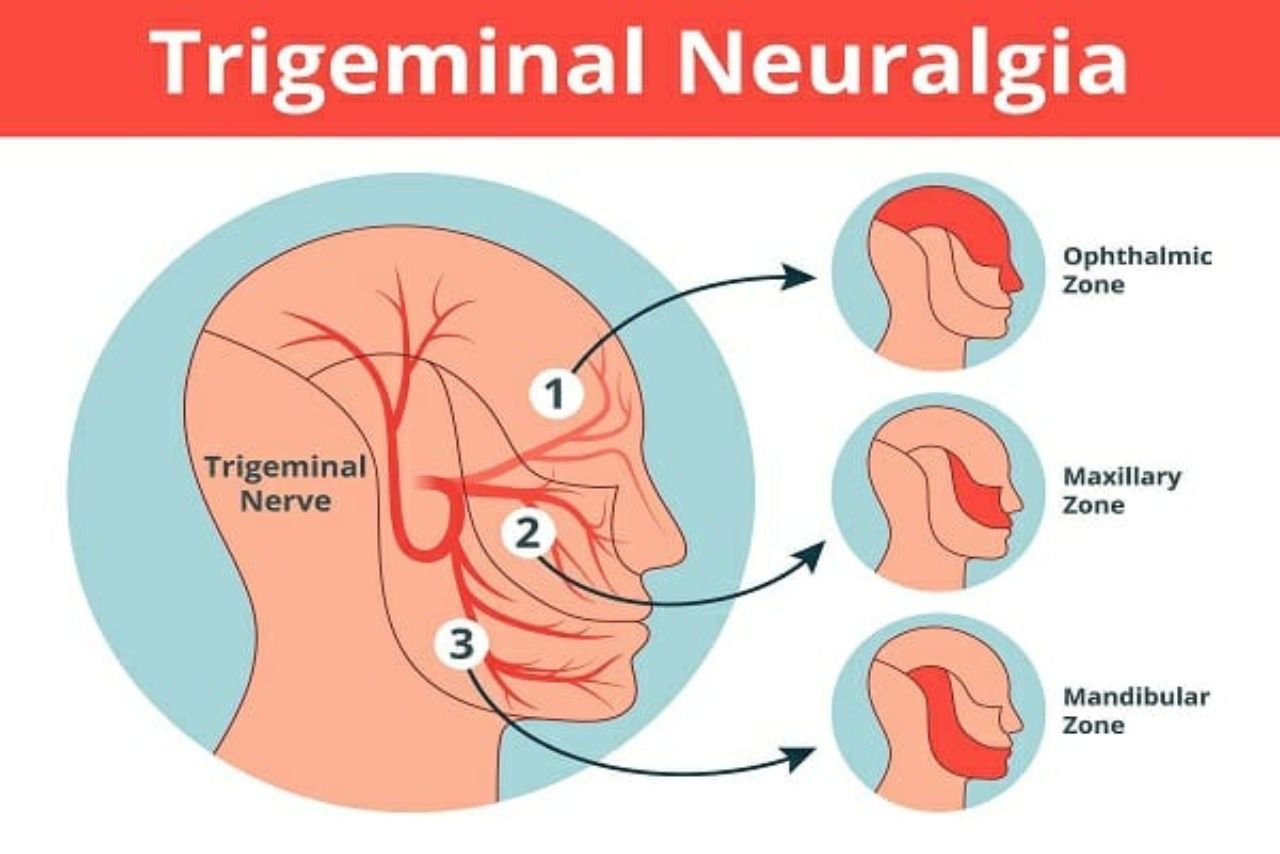
Severe facial nerve pain treated with Ayurvedic therapies reducing inflammation, calming nerves, relieving triggers, and improving neurological balance for long-term relief.
Frozen Shoulder

Ayurvedic treatments relieve shoulder stiffness, pain, and restricted movement by improving circulation, reducing inflammation, and restoring flexibility and joint function effectively.
Migraine Headache
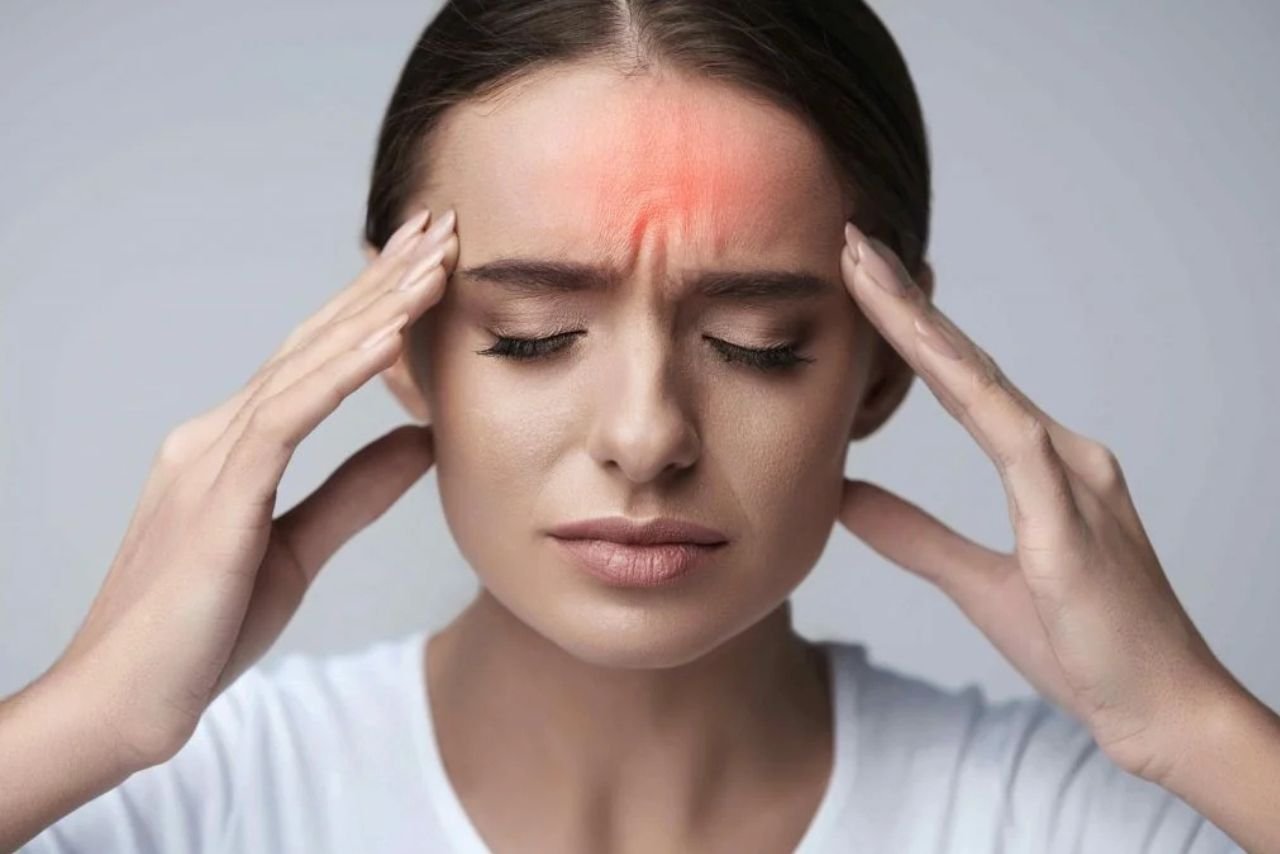
Holistic Ayurvedic care reduces migraine frequency, intensity, and triggers by balancing doshas, improving digestion, calming mind, and strengthening nervous system naturally.
Tension Headache
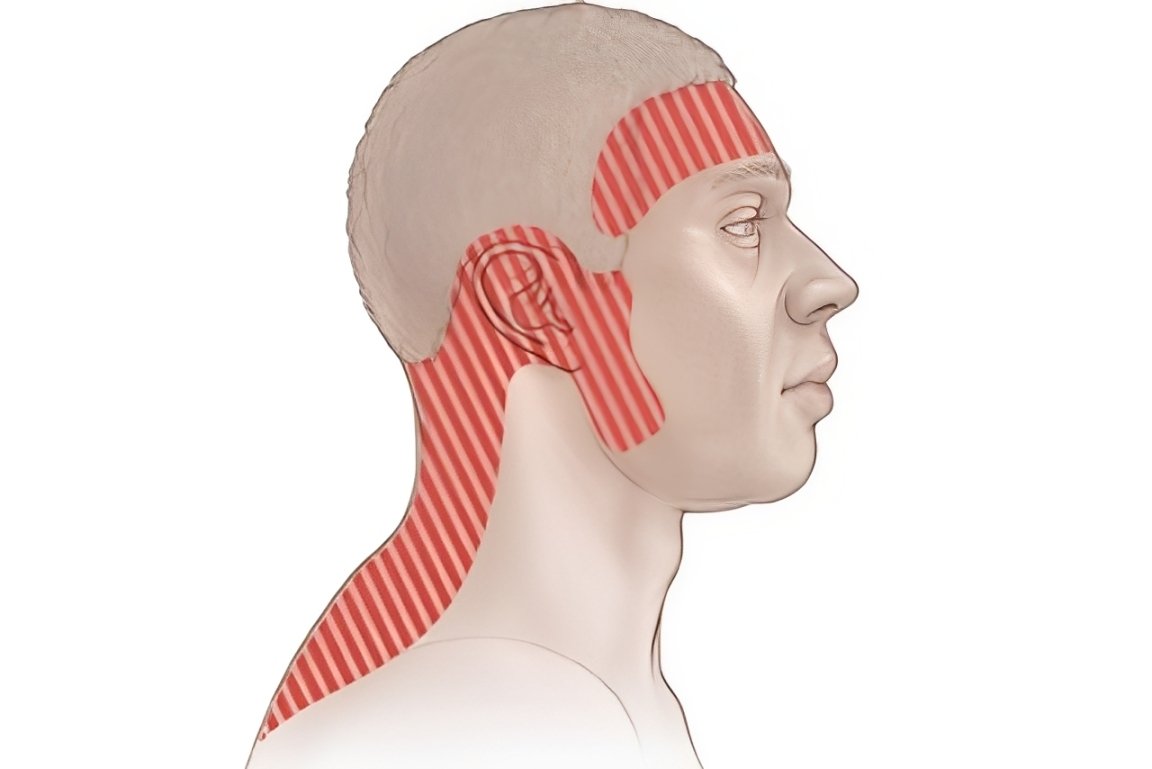
Ayurvedic therapies relieve tension headaches by reducing stress, relaxing muscles, improving circulation, and balancing nervous system for sustained comfort and mental relaxation.
Cluster Headache
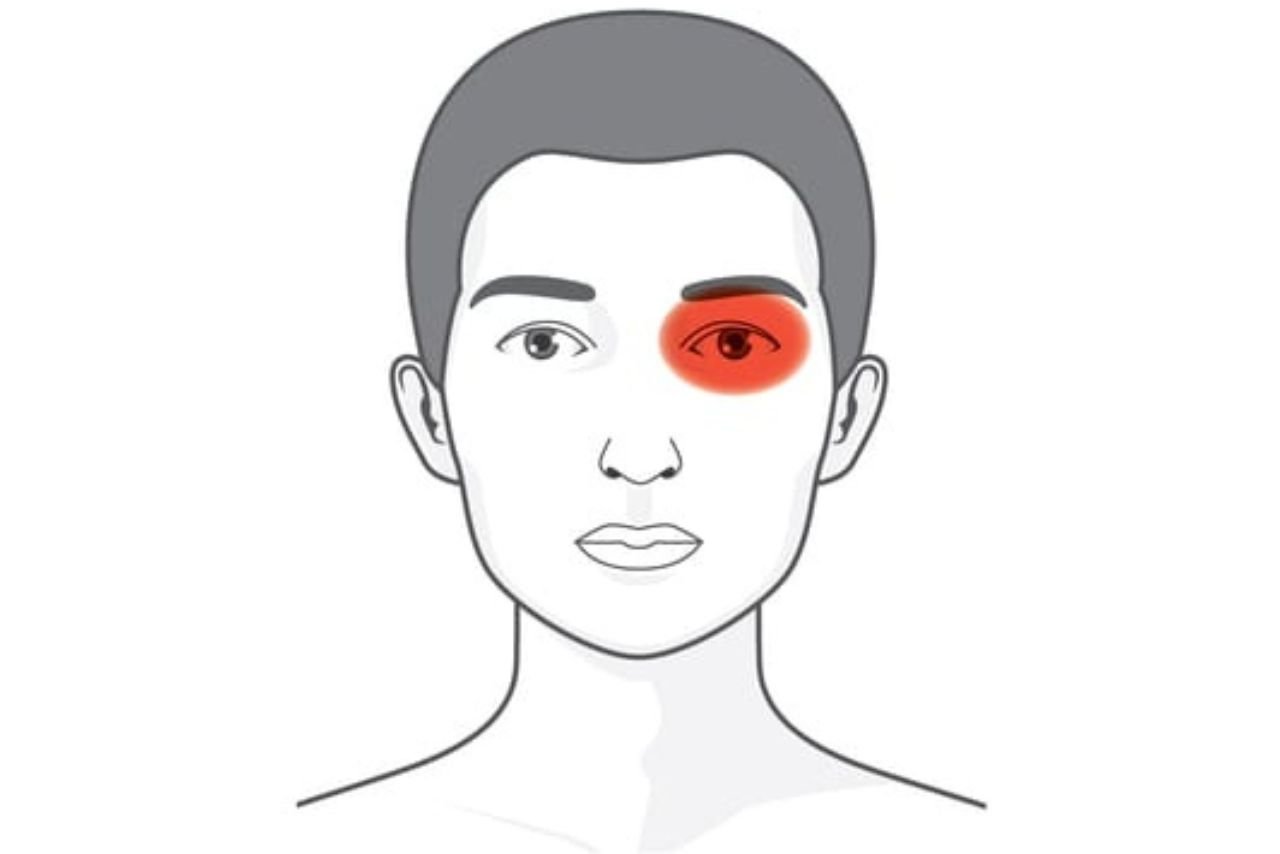
Specialized Ayurvedic treatments reduce cluster headache intensity, frequency, and pain by calming nerves, balancing doshas, and improving neurological stability and overall wellbeing.
Sciatica
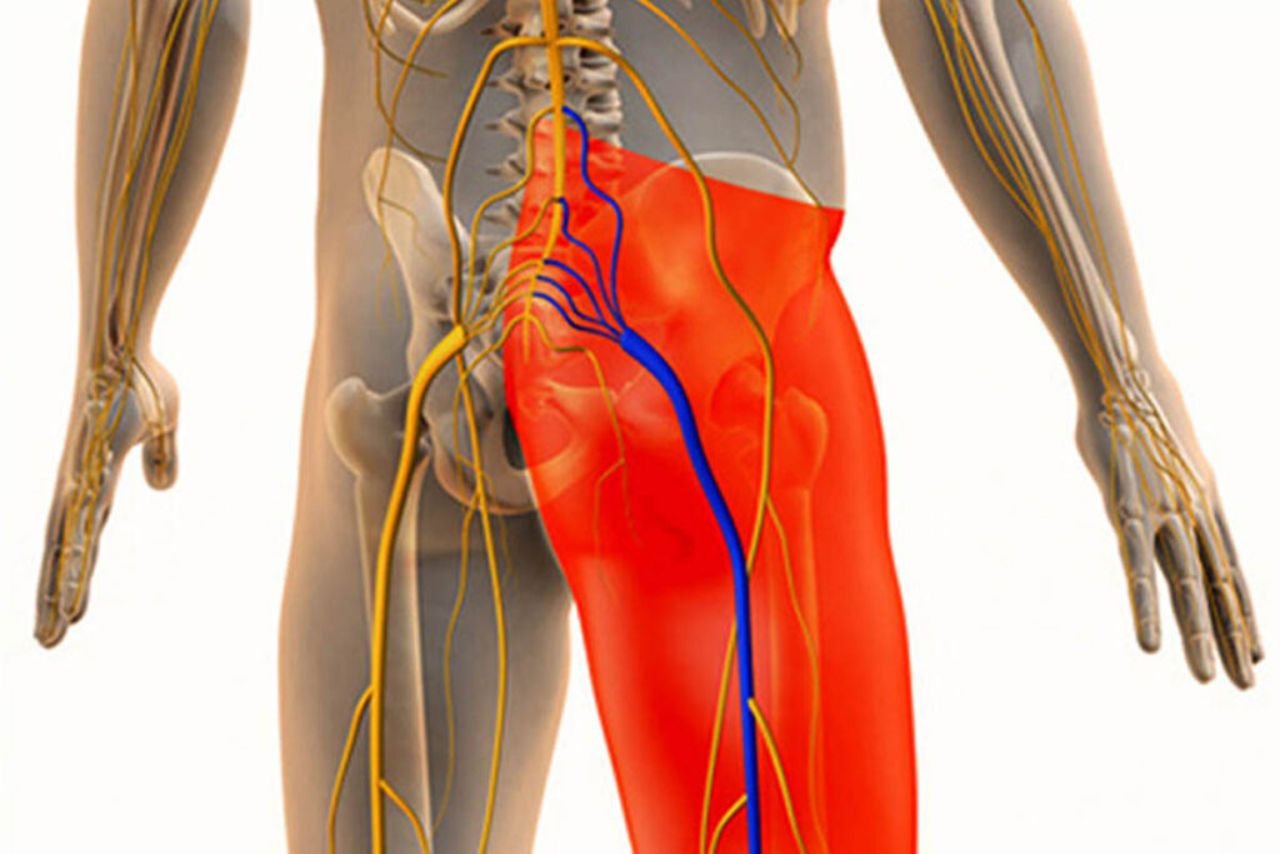
Ayurvedic therapies relieve sciatica pain by reducing nerve compression, inflammation, stiffness, improving mobility, strengthening spine, and supporting long-term functional recovery effectively.
BELLS PALSY
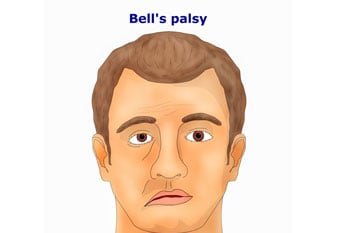
Bell’s palsy is a sudden, temporary weakness or paralysis of the muscles on one side of the face due to dysfunction of the facial nerve. It leads to facial asymmetry, difficulty in expressions, and impaired eye closure.
DIMENSIA
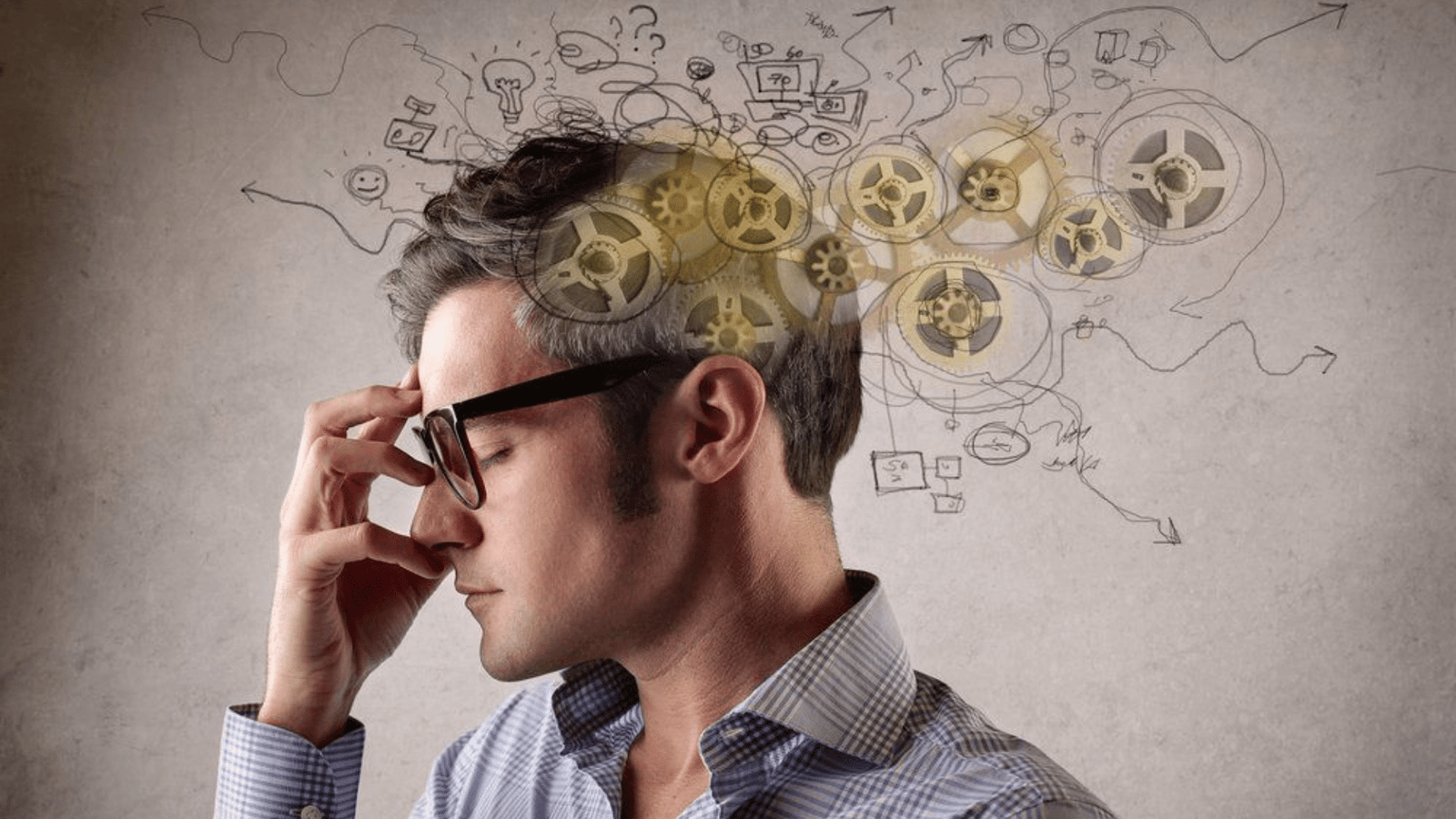
Dementia is a progressive condition characterized by decline in memory, thinking, behavior, and daily functioning. It is not a single disease but a group of symptoms affecting cognitive abilities.
PSYCHOSIS

Psychosis is a serious mental health condition in which a person loses touch with reality, leading to abnormal thinking, perceptions, and behavior.
HYSTERIA

Hysteria, now medically referred to as Conversion Disorder or Functional Neurological Symptom Disorder, is a condition where psychological stress manifests as physical symptoms without an identifiable organic cause. Patients may present with symptoms like fainting, paralysis, or abnormal movements triggered by emotional factors.
VERTIGO
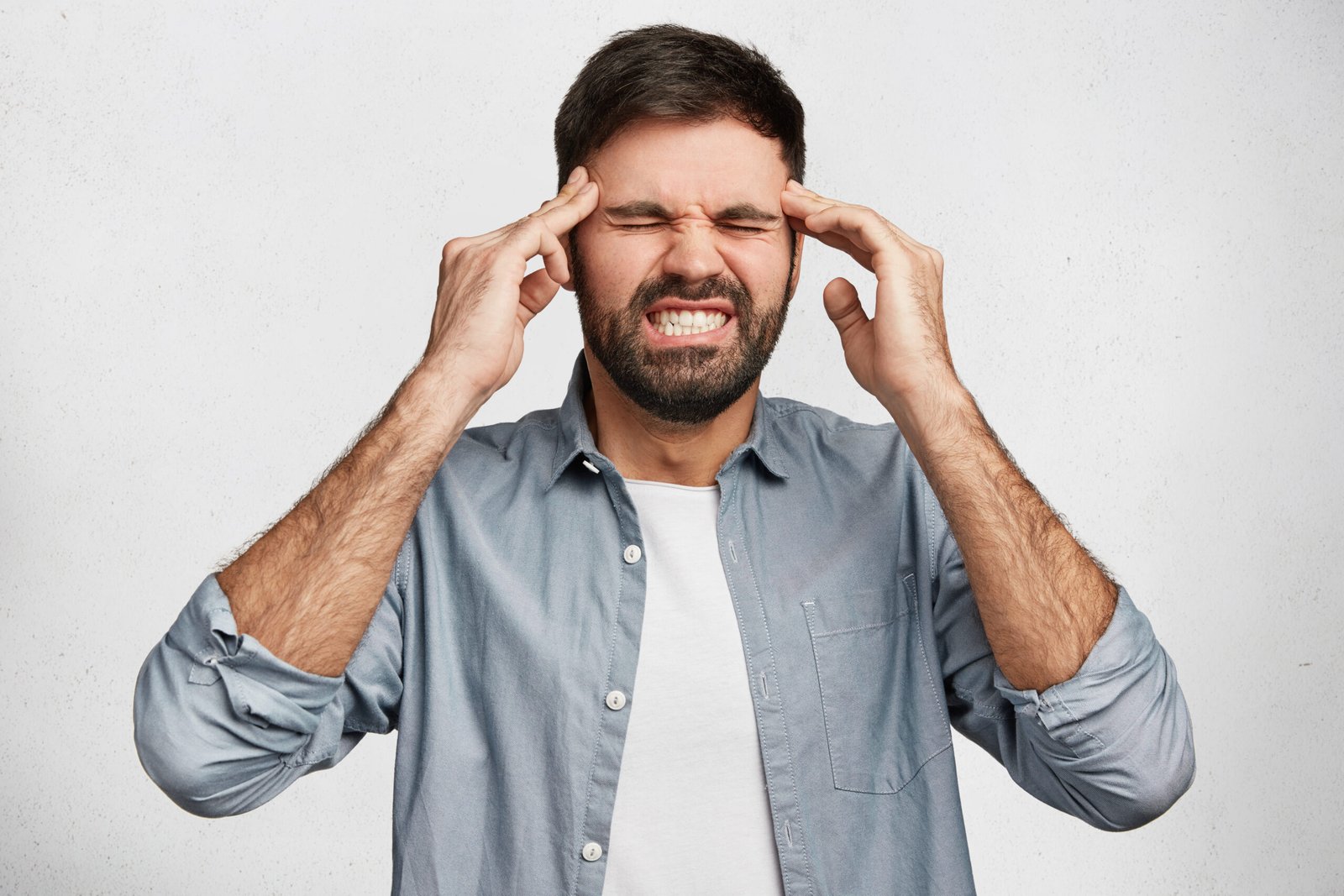
Vertigo is a condition characterized by a spinning sensation or dizziness, where a person feels as if they or their surroundings are moving even when still.
DYSTONIA
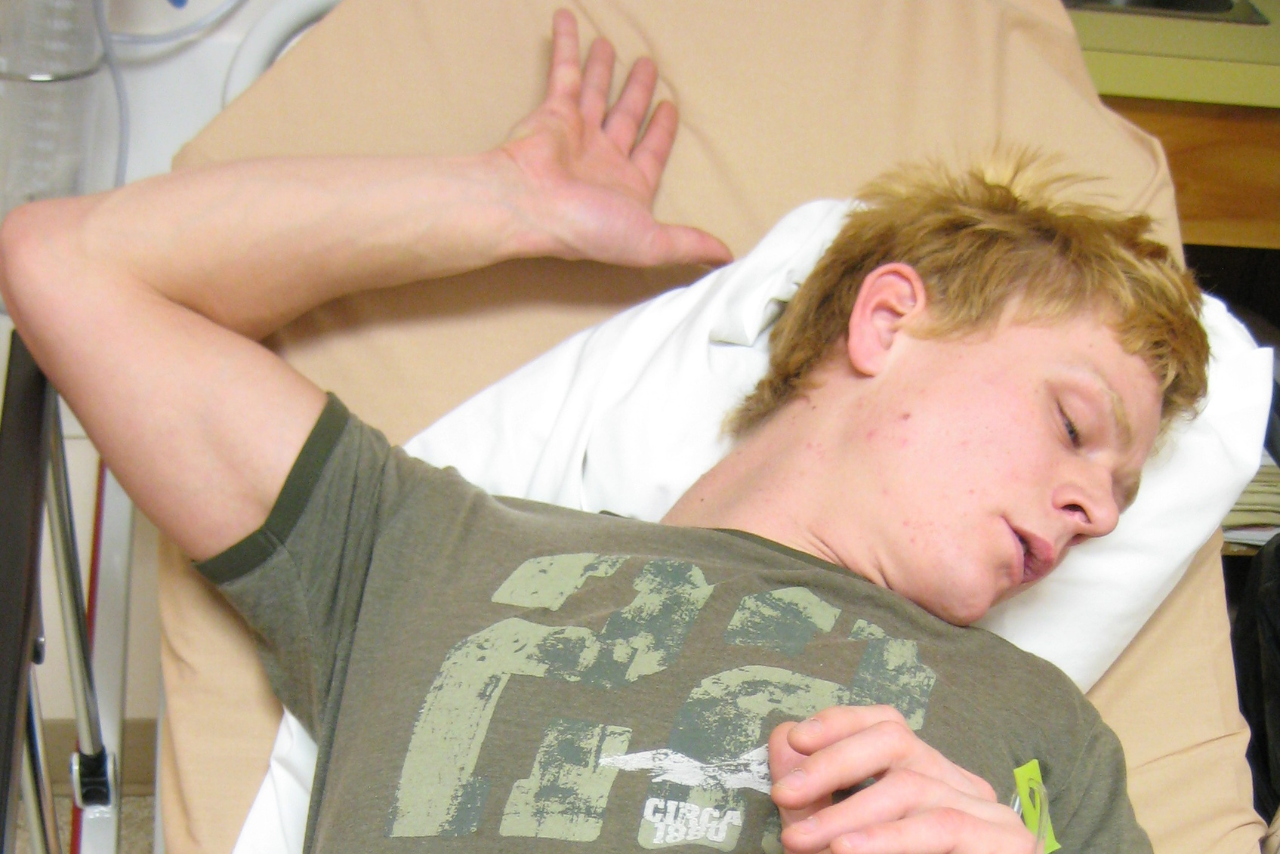
Dystonia is a neurological movement disorder characterized by involuntary muscle contractions, leading to twisting movements, abnormal postures, or repetitive spasms.
Parkinsons
Parkinsons is a progressive neurological condition that primarily affects movement. It occurs due to the gradual degeneration of nerve cells in the brain that produce dopamine, a chemical responsible for smooth and coordinated muscle activity.
Symptoms:
- Tremors (shaking), usually starting in one hand
- Slowness of movement (bradykinesia)
- Muscle stiffness (rigidity)
- Impaired balance and posture
- Reduced facial expressions (“masked face”)
- Soft or slow speech
- Difficulty in walking or initiating movement
According to Ayurveda, Parkinson’s disease closely resembles a condition called Kampavata, caused by aggravation of Vata Dosha. This imbalance affects the nervous system, leading to tremors, stiffness, and impaired motor function. Contributing factors include aging, stress, poor nutrition, and depletion of body tissues
The management focuses on balancing Vata, nourishing the nervous system, and improving mobility-Snehana (oleation therapy)-Internal and external use of medicated oils to reduce dryness and stiffness ,Swedana (sudation therapy)- Helps relieve rigidity and improves circulation,Panchakarma therapies-Especially Basti (medicated enema), considered highly effective for Vata disorders,Nasya (nasal therapy)-Supports brain and nervous system function,Rasayana therapy- Rejuvenative herbs to strengthen nerves and slow progression
PARALYSIS
Paralysis is a condition characterized by the loss of muscle function in part of the body, often accompanied by loss of sensation. It occurs due to damage to the nervous system, especially the brain, spinal cord, or nerves that control muscles. Paralysis can affect a specific area (localized) or a larger portion of the body, significantly impacting mobility and daily activities.
Types:
- Hemiplegia – paralysis of one side of the body
- Paraplegia – paralysis of both lower limbs
- Quadriplegia (Tetraplegia) – paralysis of all four limbs
- Facial paralysis – affects muscles of the face
Symptoms:
- Loss of movement in affected areas
- Muscle weakness or stiffness
- Loss of sensation or numbness
- Difficulty in speaking or swallowing (in some cases)
- Impaired coordination and balance
In Ayurveda, paralysis is often correlated with Pakshaghata, a disorder caused by severe aggravation of Vata Dosha. This leads to impaired functioning of nerves and muscles. Factors like improper diet, stress, aging, trauma, and depletion of body tissues (Dhatu Kshaya) contribute to the condition.
Ayurveda management focuses on restoring nerve function, improving circulation, and balancing Vata-Snehana (oil therapies)-External and internal oleation to nourish tissues and reduce stiffness ,Swedana (fomentation): Helps in relieving rigidity and improving flexibility,Panchakarma therapies-Basti (medicated enema) – main treatment for Vata disorders ,Nasya (nasal therapy) – supports brain and nerve function,Physiotherapy support-Essential for regaining strength and mobility,Rasayana therapy-Rejuvenative herbs to promote nerve regeneration
Alziemer’s disease
Alziemer’s disease is a chronic, progressive brain disorder that affects memory, thinking, and behavior. It is the most common cause of dementia, particularly in older adults, and gradually interferes with a person’s ability to perform daily activities and maintain independence.
Symptoms:
Early Stage:
- Mild memory loss (forgetting recent events)
- Difficulty finding words
- Misplacing things
Moderate Stage:
- Increased confusion and disorientation
- Difficulty recognizing familiar people
- Trouble with daily tasks
- Mood and personality changes
Advanced Stage:
- Severe memory loss
- Loss of communication ability
- Difficulty swallowing and walking
- Complete dependence on caregivers
According to Ayurveda, Alzheimer’s disease can be correlated with conditions like Smritibhramsha (memory loss) and Majja Dhatu Kshaya (degeneration of nervous tissue), primarily caused by imbalance of Vata Dosha.
The Ayurvedic management focuses on improving cognitive function, slowing degeneration, and enhancing quality of life-Medhya Rasayana (brain rejuvenation)- Herbs that support memory and intellect,Snehana (oleation therapy)-Nourishes the nervous system,Nasya (nasal therapy)- Helps deliver medication to the head region,Shirodhara- Calms the mind and improves mental clarity,Panchakarma therapies- Detoxification and rejuvenation under supervision
Trigeminal Neuralgia
Trigeminal neuralgia is a severe neurological condition characterized by sudden, intense, electric shock-like pain along the distribution of the trigeminal nerve, which supplies sensation to the face.
Symptoms:
- Sudden, severe, stabbing or electric shock-like facial pain
- Episodes lasting from a few seconds to minutes
- Pain typically on one side of the face
- Recurrent attacks with pain-free intervals
- Increased sensitivity in facial areas
According to Ayurveda, trigeminal neuralgia can be correlated with conditions like Anantavata or Ardhavabhedaka, primarily caused by aggravated Vata Dosha affecting the nerves. This leads to intense, shooting pain and hypersensitivity in the facial region.
Treatment focuses on pacifying Vata, relieving nerve irritation, and reducing pain-Snehana (oleation therapy)- Application of medicated oils to nourish nerves,Swedana (fomentation)-Helps reduce stiffness and improve circulation,Nasya (nasal therapy)-Delivers medication to head and nerve pathways,Shirodhara-Calms the nervous system and reduces stress
Frozen Shoulder
Frozen shoulder is a condition characterized by pain, stiffness, and restricted movement in the shoulder joint. It develops gradually and can significantly affect daily activities such as lifting the arm, dressing, or reaching overhead.
Symptoms:
- Persistent shoulder pain (often worse at night)
- Restricted range of motion
- Difficulty in lifting or rotating the arm
- Stiffness in the shoulder joint
In Ayurveda frozen shoulder can be correlated with Apabahuka, a condition caused by aggravated Vata Dosha leading to dryness, stiffness, and restricted movement in the shoulder joint.Management focuses on reducing pain, improving mobility, and balancing Vata-Snehana (oil therapies)-External application with medicated oils to reduce dryness and stiffness,Swedana (fomentation)-Helps relieve stiffness and improves flexibility,Panchakarma therapies-Nasya (nasal therapy) for head and neck involvement
Migraine Headache
Migarine is a recurrent neurological condition characterized by moderate to severe throbbing headache, usually affecting one side of the head. It is often associated with symptoms like nausea, vomiting, and sensitivity to light and sound.
Symptoms:
- Throbbing or pulsating headache (usually one-sided)
- Nausea and vomiting
- Sensitivity to light (photophobia) and sound (phonophobia)
- Visual disturbances (aura) such as flashing lights or zigzag lines
- Fatigue and difficulty concentrating
According to Ayurveda, migraine can be correlated with Ardhavabhedaka, a condition caused by imbalance of Vata and Pitta Doshas. Aggravated Vata leads to pain, while Pitta contributes to intensity, burning sensation, and sensitivity to light.
Treatment focuses on balancing doshas, relieving pain, and preventing recurrence-Snehana (oleation therapy)- Nourishes the nervous system,Shirodhara- Continuous pouring of medicated liquids on the forehead to calm the mind,Nasya (nasal therapy)- Helps clear head channels and reduce headache frequency,Virechana (purgation therapy)- Useful in Pitta-dominant cases,Stress management therapies-Meditation and relaxation techniques.
Tension Headache
Tension headache is the most common type of headache, characterized by a dull, aching pain and a feeling of tightness or pressure around the forehead, temples, or back of the head.
Symptoms:
- Dull, pressing pain on both sides of the head
- Tightness around forehead or back of the head
- Neck and shoulder stiffness
- Mild sensitivity to light or noise
- Fatigue and difficulty concentrating
Tension headache can be correlated with conditions like Shirashoola (headache) caused by aggravated Vata. Dryness, stress, and depletion of body tissues contribute to the condition.
Ayurveda focuses on balancing doshas, relieving stress, and nourishing the nervous system -Snehana (Oleation Therapy)-External application of medicated oils to relax muscles and calm Vata,Shiro Abhyanga- Head massage with herbal oils like Brahmi oil or Ksheerabala oil ,Shirodhara-Continuous pouring of medicated liquids over the forehead to reduce stress and promote deep relaxation
Cluster Headache
Cluster headache is a severe form of primary headache characterized by intense, piercing pain usually around one eye or one side of the head.
Symptoms:
- Severe burning or piercing pain around one eye or temple
- Pain usually on one side (unilateral)
- Redness and watering of the eye
- Nasal congestion or runny nose on the affected side
- Drooping eyelid or swelling around the eye
- Restlessness or agitation during attacks
Cluster headache is considered a type of Shirashoola, where aggravated Pitta causes intense burning pain and Vata contributes to the episodic and severe nature of the attacks.
Ayurveda approach is to pacify Pitta and Vata, reduce intensity, and prevent recurrence Shirodhara-Cooling and calming therapy that helps regulate the nervous system ,Nasya Therapy- Medicated oils or ghee administered through the nose to relieve head pain,Shiro Abhyanga- Gentle head massage using cooling oils like Brahmi or Chandanadi taila,Takradhara- Use of medicated buttermilk for its cooling and Pitta-pacifying effects
Sciatica
Sciatica refers to pain that radiates along the path of the sciatic nerve, extending from the lower back through the hips and buttocks down to the legs. It is usually caused by compression or irritation of the nerve roots in the lumbar spine. The pain can range from mild discomfort to severe, disabling pain.
Symptoms:
- Radiating pain from lower back to buttock and leg
- Sharp, shooting, or burning sensation
- Tingling or numbness in the leg or foot
- Muscle weakness in the affected limb
- Difficulty in walking, standing, or sitting for long durations
In Ayurveda, sciatica is correlated with Gridhrasi, a disorder caused predominantly by aggravated Vata dosha, sometimes associated with Kapha, leading to pain, stiffness, and restricted movement. Treatment focuses on pacifying Vata, reducing inflammation, and relieving nerve compression- Snehana (Oleation Therapy)-External and internal use of medicated oils to nourish tissues and reduce dryness ,Swedana (Sudation Therapy)- Fomentation therapies like Nadi Sweda or Patra Pinda Sweda (Elakizhi) to relieve stiffness and pain,Kati Basti- Localized oil pooling over the lower back to strengthen and support the spine .Matra Basti / Kala Basti: Medicated enema therapy, considered the best treatment for Vata disorders
Treatment focuses on pacifying Vata, reducing inflammation, and relieving nerve compression-Snehana (Oleation Therapy)- External and internal use of medicated oils to nourish tissues and reduce dryness,Swedana (Sudation Therapy)-Fomentation therapies like Nadi Sweda or Patra Pinda Sweda (Elakizhi) to relieve stiffness and pain,Kati Basti- Localized oil pooling over the lower back to strengthen and support the spine,Matra Basti / Kala Basti- Medicated enema therapy, considered the best treatment for Vata disorders
BELLS PALSY
Bell’s palsy is a sudden, temporary weakness or paralysis of the muscles on one side of the face due to dysfunction of the facial nerve. It leads to facial asymmetry, difficulty in expressions, and impaired eye closure.
Symptoms:
- Sudden facial deviation (mouth pulled to one side)
- Inability to close eye on affected side
- Drooping of eyelid and corner of mouth
- Difficulty in smiling, speaking, or chewing
- Drooling of saliva
- Altered taste sensation
In Ayurveda, Bell’s palsy is correlated with Ardita Vata, a disorder caused by aggravated Vata dosha affecting the facial muscles and nerves. Treatment aims to pacify Vata, nourish nerves, and restore function-External Therapies-Mukha Abhyanga- Facial massage with medicated oils,Nadi Sweda-Local steam to improve circulation Shiro Abhyanga-Head massage for relaxation,Shirodhara- Calms nervous system and reduces stress ,Panchakarma Procedures -Nasya Therapy- Most important medicated oils through nose for head disorders
DIMENSIA
Dementia is a progressive condition characterized by decline in memory, thinking, behavior, and daily functioning. It is not a single disease but a group of symptoms affecting cognitive abilities.
Symptoms:
- Memory loss (especially recent events)
- Difficulty in thinking and decision-making
- Confusion and disorientation
- Language and communication problems
- Behavioral changes (irritability, mood swings)
- Difficulty performing daily activities
- Personality changes in advanced stages
In Ayurveda, dementia can be correlated with conditions like Smriti Bhramsha (memory loss) and Dhee–Dhriti–Smriti Vibhramsha.The goal is to slow progression, improve cognition, and nourish the nervous system.Panchakarma Therapies -Shirodhara- Improves mental clarity and reduces stress ,Nasya-Enhances brain function and clears channels ,Abhyanga (oil massage): Nourishes nervous system ,Basti therapy- Best for balancing Vata.
PSYCHOSIS
Psychosis is a serious mental health condition in which a person loses touch with reality, leading to abnormal thinking, perceptions, and behavior.
Symptoms:
- Delusions: false beliefs (e.g., paranoia)
- Hallucinations: seeing or hearing things that are not real
- Disorganized thinking and speech
- Abnormal or agitated behavior
- Social withdrawal
In Ayurveda, psychosis can be correlated with Unmada, a condition involving disturbance of Manas (mind), Buddhi (intellect), and Smriti (memory) due to imbalance of doshas, especially Vata and Pitta, along with impairment of mental channels (Manovaha Srotas).
Management focuses on calming the mind, restoring balance, and improving cognition .Panchakarma Therapies -Shirodhara-deeply relaxing, stabilizes mind ,Nasya-improves brain function,Abhyanga- reduces stress and Vata,Basti therapy-balances Vata at root level.Internal medications which enhance cognition and clams mind,reduces anxiety and improve clarity.
HYSTERIA
Hysteria, now medically referred to as Conversion Disorder or Functional Neurological Symptom Disorder, is a condition where psychological stress manifests as physical symptoms without an identifiable organic cause. Patients may present with symptoms like fainting, paralysis, or abnormal movements triggered by emotional factors.
Symptoms:
- Sudden fainting episodes
- Temporary loss of movement or sensation
- Abnormal body movements or fits (non-epileptic)
- Speech disturbances (loss of voice, slurred speech)
- Emotional outbursts (crying, laughing spells)
In Ayurveda, hysteria can be correlated with Unmada and Apasmara-like conditions, primarily involving imbalance of Vata dosha along with disturbance of Rajas and Tamas in the mind.
VERTIGO
Vertigo is a condition characterized by a spinning sensation or dizziness, where a person feels as if they or their surroundings are moving even when still.
Symptoms:
- Spinning sensation (hallucination of movement)
- Dizziness and lightheadedness
- Loss of balance or unsteadiness
- Nausea and vomiting
- Headache or heaviness in head
- Difficulty in focusing or walking
In Ayurveda, vertigo can be correlated with Bhrama, caused mainly by imbalance of Vata and Pitta doshas, affecting the head (Shira) and nervous system. The goal is to stabilize Vata, calm Pitta, and improve balance mechanisms-Panchakarma Therapies -Shirodhara- reduces stress and stabilizes mind ,Nasya- improves head and sensory function,Abhyanga-reduces Vata and improves circulation.
DYSTONIA
Dystonia is a neurological movement disorder characterized by involuntary muscle contractions, leading to twisting movements, abnormal postures, or repetitive spasms.
Symptoms:
- Sustained or intermittent muscle contractions
- Twisting or repetitive movements
- Abnormal postures (neck, limbs, face)
- Tremors or spasms
- Pain due to continuous muscle contraction
- Difficulty in performing voluntary movements
In Ayurveda, dystonia can be correlated with Vata Vyadhi, particularly conditions involving Vata aggravation affecting muscles (Mamsa) and nerves (Majja dhatu). Ayurveda treatment approach focuses to pacify vata nourish tissues, and improve neuromuscular function. External Therapies-Abhyanga-medicated oil massage to relax muscles ,Swedana-fomentation to reduce stiffness-Pizhichil-oil bath therapy for neuromuscular disorders,Shirodhara-calms nervous system